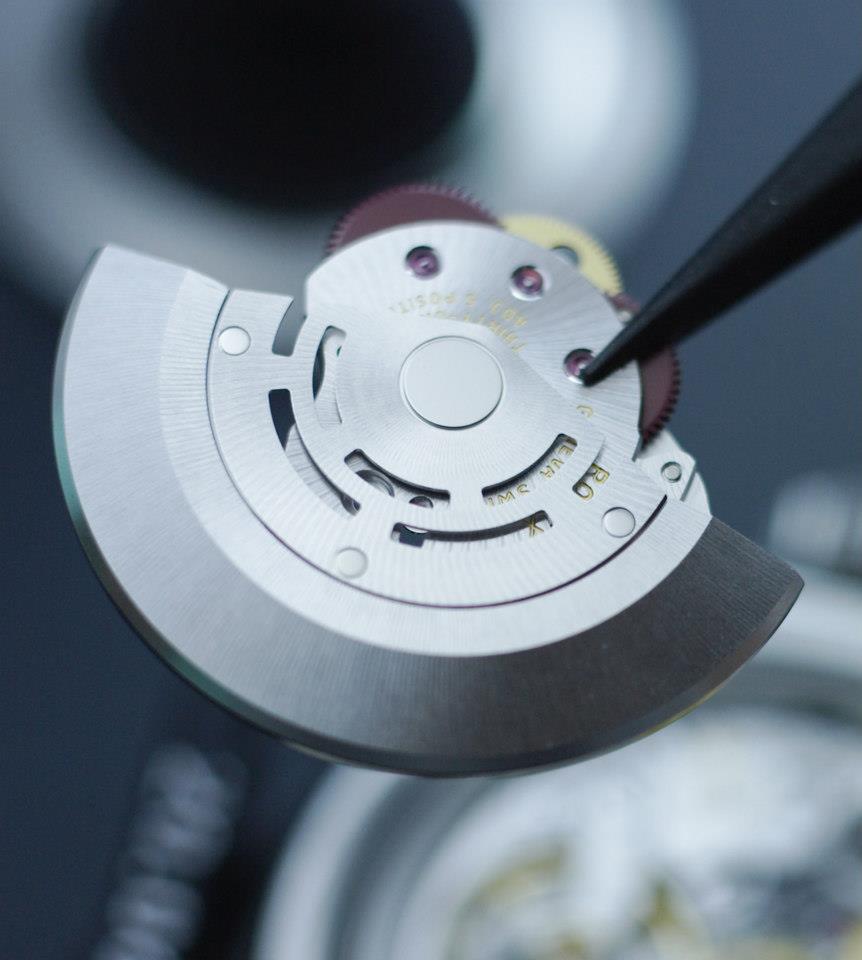
Invention of the Perpetual Rotor
United KIngdom
Watchmaking
Innovation
Luxury Goods
4 min read
Updated By: History Editorial Network (HEN)
Published:
Updated:
The invention of the Perpetual Rotor marked a pivotal advancement in watchmaking, particularly in the realm of self-winding watches. Prior to this innovation, watches required manual winding, which limited their convenience and usability. The Perpetual Rotor introduced a self-winding mechanism that utilized a semi-circular plate, which moved freely with the force of gravity, to harness energy from the wearer's movements. This mechanism allowed the watch to wind itself automatically, significantly enhancing the functionality and appeal of wristwatches. The development of the Perpetual Rotor not only revolutionized Rolex's product line but also set a new standard for the entire watch industry, leading to the widespread adoption of automatic watches. As a result, consumers benefited from a more reliable and user-friendly timekeeping device that did not require constant manual winding, thus increasing the popularity of wristwatches in general.
The impact of the Perpetual Rotor extended beyond just convenience; it also represented a significant technological advancement in horology. This innovation contributed to the growth of the luxury watch market, as brands began to incorporate self-winding mechanisms into their designs, appealing to a broader audience. The automatic watch became synonymous with precision and craftsmanship, and the Perpetual Rotor played a crucial role in establishing Rolex as a leader in the luxury watch sector. The legacy of this invention continues to influence modern watchmaking, with many contemporary watches still utilizing variations of the self-winding mechanism first introduced by Rolex. The Perpetual Rotor not only changed how watches were made but also how they were perceived, solidifying the importance of innovation in the watch industry.
#mooflife
#MomentOfLife
#PerpetualRotor
#Rolex
#Self-windingWatch
#AutomaticWatch
#WatchmakingInnovation
Primary Reference
1926–1945

Explore the Life Moments of
 AI Twin