Petrarch's View on Pre-Christian Times
Italy
Literature
Philosophy
5 min read
Updated By: History Editorial Network (HEN)
Published:
Updated:
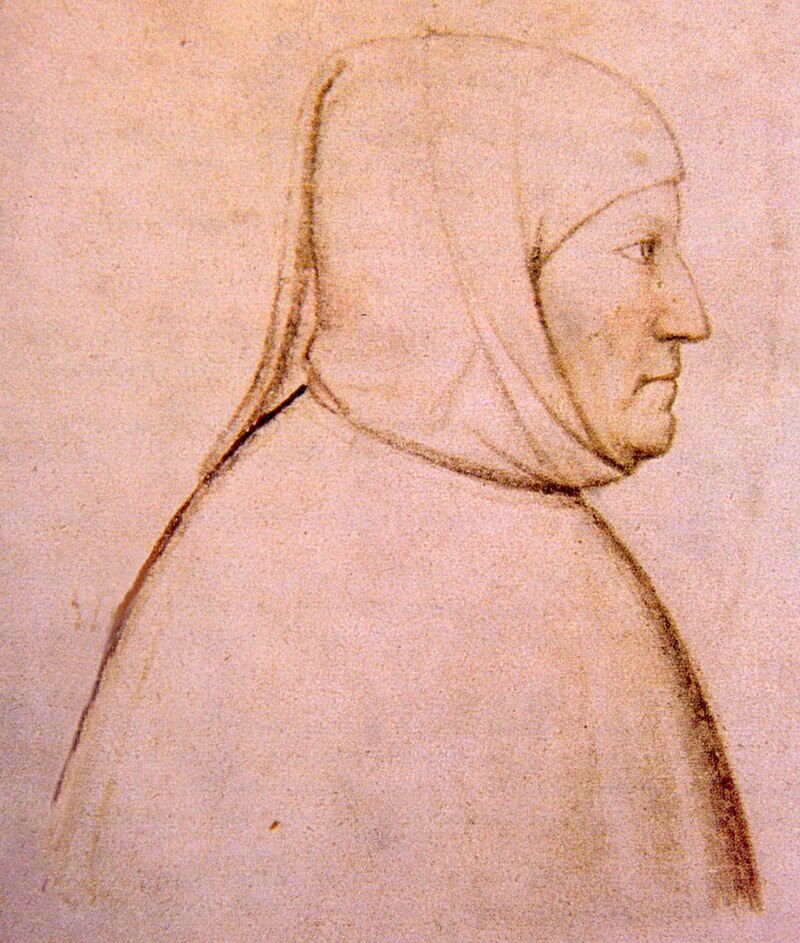
Petrarch, an influential figure in the early Renaissance, categorized history into two main periods: pre-Christian times, which he termed 'antiqua' (ancient), and the Christian era, referred to as 'nova' (new). This division reflects his perspective on the cultural and intellectual landscape of his time. Petrarch viewed the pre-Christian era as a period rich in classical knowledge and achievements, which he believed had been overshadowed by the subsequent Christian period. He perceived the contemporary age, which he inhabited, as one of decline or 'national eclipse,' suggesting a loss of the intellectual vigor that characterized ancient civilizations. This perspective was significant in shaping the Renaissance humanist movement, which sought to revive classical learning and values. Petrarch's reflections on antiquity emphasized the importance of studying classical texts and philosophies to reclaim the intellectual heritage that he felt had been neglected. His work laid the groundwork for later scholars and thinkers who would further explore and celebrate the contributions of ancient civilizations to modern thought and culture.
The impact of Petrarch's views extended beyond his immediate context, influencing the broader Renaissance movement. His emphasis on the value of classical antiquity inspired a renewed interest in ancient literature, philosophy, and art, leading to a cultural revival that would shape European thought for centuries. The tripartite periodization introduced by Leonardo Bruni, which built upon Petrarch's framework, further solidified the importance of distinguishing between these historical epochs. Bruni's work highlighted the perceived decline of Italy and the need to learn from the past to foster a cultural renaissance. Petrarch's reflections on pre-Christian times not only contributed to the intellectual discourse of his era but also established a foundation for future generations to engage with and appreciate the complexities of history and its influence on contemporary society.
#mooflife
#MomentOfLife
#Petrarch
#Renaissance
#Humanism
#ClassicalAntiquity
#CulturalRevival

Explore the Life Moments of
 AI Twin