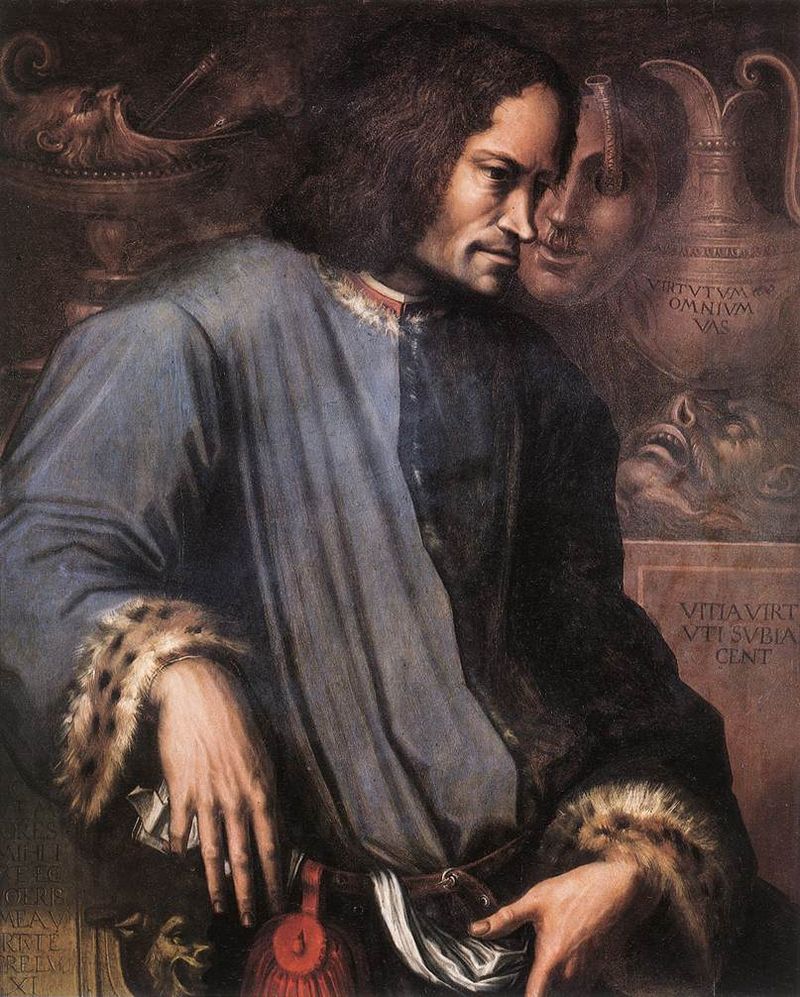
Death of Lorenzo de' Medici
Italy
Art Patronage
Renaissance History
Florence
4 min read
Updated By: History Editorial Network (HEN)
Published:
Updated:
Lorenzo de' Medici, known as Lorenzo the Magnificent, was a prominent figure in the history of Florence and the Italian Renaissance. He played a crucial role in the political and cultural landscape of Florence, serving as a de facto ruler and a significant patron of the arts. His leadership was marked by a commitment to fostering artistic talent and intellectual thought, which contributed to the flourishing of Renaissance culture. Lorenzo's influence extended to commissioning works from some of the most renowned artists of the time, including Leonardo da Vinci, Sandro Botticelli, and Michelangelo Buonarroti. This patronage not only enhanced the cultural prestige of Florence but also laid the groundwork for the artistic achievements that would define the Renaissance period.
The impact of Lorenzo's death was felt deeply in Florence and beyond. His passing marked the end of an era characterized by artistic innovation and political stability. The Medici family's influence began to wane, leading to shifts in power dynamics within Florence. The artistic community faced uncertainty as the financial support that Lorenzo had provided was no longer guaranteed. This transition period saw a decline in the level of patronage that artists had previously enjoyed, which affected the production of art and the overall cultural environment in Florence. Lorenzo's legacy, however, continued to resonate, as the works he commissioned remained integral to the Renaissance narrative, influencing generations of artists and shaping the course of Western art history.
#mooflife
#MomentOfLife
#LorenzoDe'Medici
#Florence
#Renaissance
#ArtPatronage
#MediciFamily

Explore the Life Moments of
 AI Twin