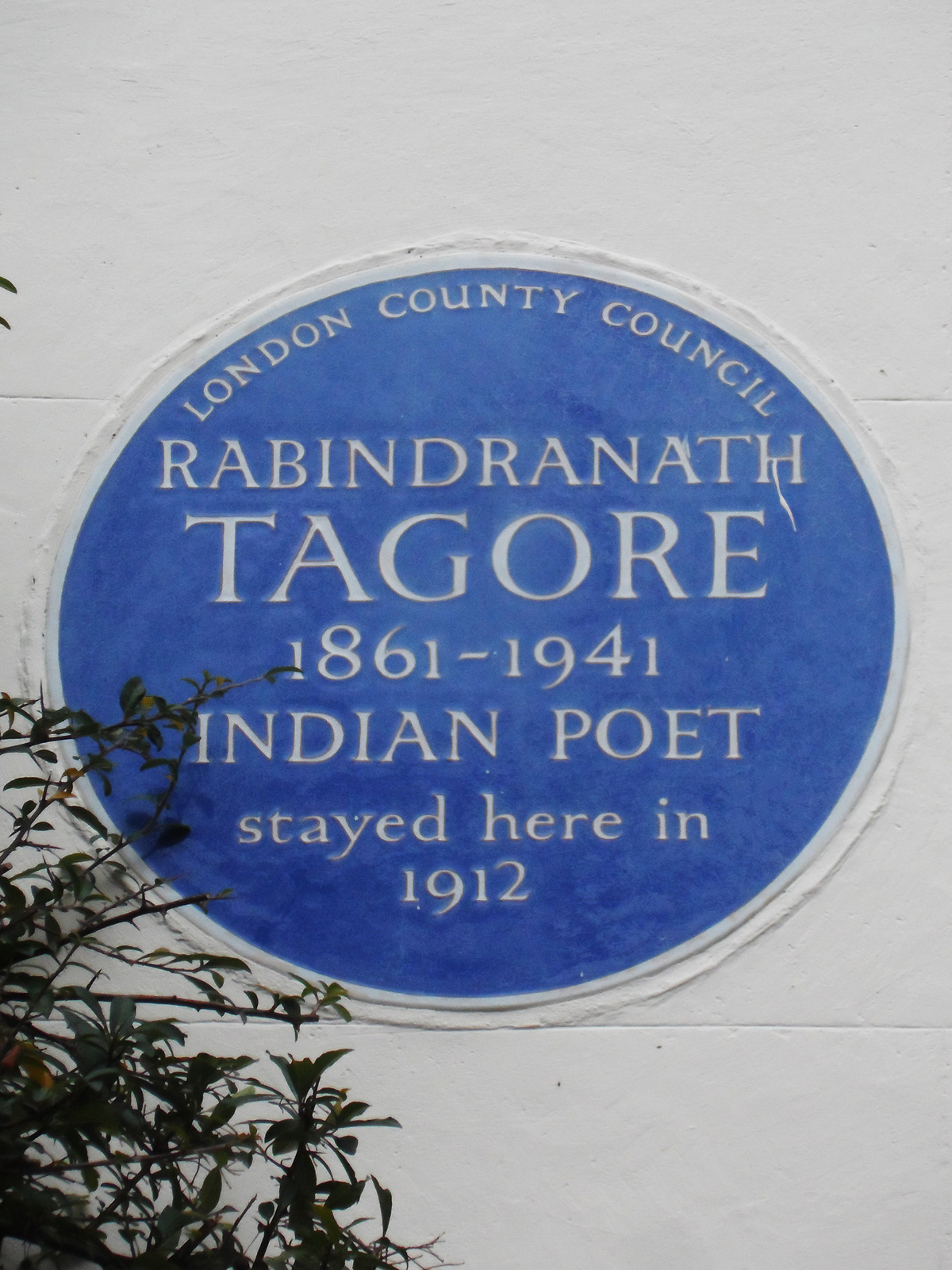
Blue plaque unveiled in Hampstead
India
Historical Events
Cultural Heritage
Literary Figures
4 min read
Updated By: History Editorial Network (HEN)
Published:
Updated:
The unveiling of a blue plaque in Hampstead serves to commemorate the visit of Rabindranath Tagore, a prominent Indian poet, playwright, and philosopher, who stayed at Number 3, Villas on the Heath during the summer of 1912. This location was significant as it marked Tagore's third visit to England, a period during which he engaged with various intellectuals and artists, further influencing cultural exchanges between India and the West. The plaque not only honors Tagore's contributions to literature and his role in the Indian independence movement but also highlights the historical connection between Tagore and the Hampstead area, which has been home to many notable figures in the arts and literature. The blue plaque initiative is part of a broader effort to recognize and preserve the heritage of influential individuals and their contributions to society, providing educational insights into their lives and works.
The impact of Tagore's visit to England was profound, as it facilitated a dialogue about Indian culture and philosophy, which resonated with many Western thinkers. His interactions during this time helped to bridge cultural gaps and foster mutual understanding. The blue plaque serves as a reminder of this important cultural exchange and the lasting legacy of Tagore's work, which includes the Nobel Prize in Literature awarded to him in 1913, making him the first non-European to receive this honor. The plaque not only marks a physical location but also symbolizes the enduring influence of Tagore's ideas on literature, education, and social reform, encouraging future generations to explore and appreciate the rich tapestry of cultural history.
#mooflife
#MomentOfLife
#RabindranathTagore
#Hampstead
#BluePlaque
#CulturalHeritage
#LiteraryHistory
Primary Reference
TAGORE, Rabindranath (1861-1941)

Explore the Life Moments of
 AI Twin