Life of Tagore, the Youngest Child
India
Biography
Literature
3 min read
Updated By: History Editorial Network (HEN)
Published:
Updated:
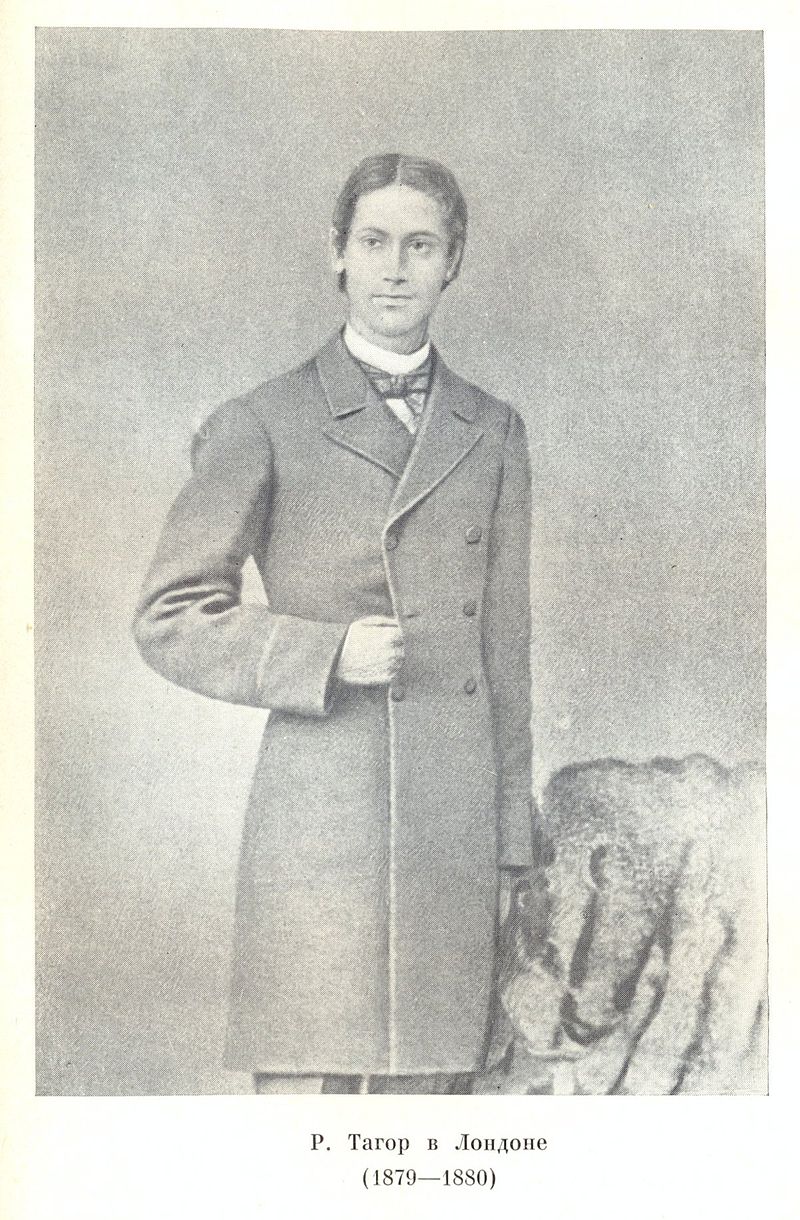
Rabindranath Tagore, known as 'Rabi', was the youngest of 13 surviving children born to Debendranath Tagore and Sarada Devi in the Jorasanko mansion in Calcutta. His early life was marked by the absence of his mother, who passed away during his childhood, leaving him primarily in the care of servants. This upbringing in a large family, coupled with the influence of his father's intellectual pursuits, shaped his formative years. Debendranath Tagore was a prominent figure in the Brahmo Samaj, a reformist religious movement in India, which emphasized rationalism and social reform. This environment fostered a rich cultural and intellectual atmosphere that would later influence Tagore's literary and artistic endeavors.
As he grew, Tagore's exposure to literature and music was profound, leading him to become a prolific writer, poet, and composer. His works often reflected the complexities of human emotions and the beauty of nature, resonating with audiences both in India and abroad. Tagore's contributions to literature earned him the Nobel Prize in Literature, making him the first non-European to receive this honor. His legacy extends beyond literature; he was also a key figure in the Indian independence movement, advocating for social reform and cultural revival. Tagore's life and works continue to inspire generations, highlighting the importance of creativity and cultural identity in shaping society.
#mooflife
#MomentOfLife
#RabindranathTagore
#JorasankoMansion
#Calcutta
#BrahmoSamaj
#NobelPrizeInLiterature
Primary Reference
Rabindranath Tagore

Explore the Life Moments of
 AI Twin