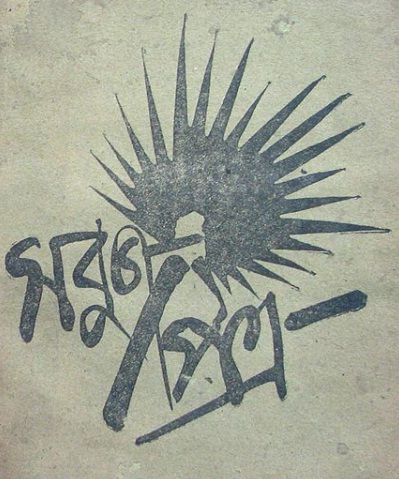
Start of Tagore's Sabuj Patra period
India
Literature
Historical Context
Cultural Studies
3 min read
Updated By: History Editorial Network (HEN)
Published:
Updated:
The Sabuj Patra period marks a notable phase in Rabindranath Tagore's literary career, characterized by his editorial work and contributions to a magazine of the same name. This period, spanning several years, saw Tagore produce a significant body of work, including many stories that would later be compiled in the Galpaguchchha collection. The magazine Sabuj Patra served as a platform for Tagore to express his thoughts on various social and cultural issues, reflecting the changing dynamics of society during that time. Tagore's writings during this period were not only influential in shaping Bengali literature but also played a crucial role in the broader context of Indian literature, as they addressed themes of identity, nature, and human experience.
The impact of the Sabuj Patra period extends beyond Tagore's personal achievements; it contributed to the evolution of modern Bengali literature. Tagore's innovative narrative style and thematic explorations inspired a generation of writers and poets. The stories written during this time often featured a blend of realism and mysticism, showcasing Tagore's ability to weave complex characters and situations into his narratives. The Sabuj Patra magazine itself became a cultural touchstone, fostering literary discussions and encouraging new voices in the literary community. Overall, this period is recognized for its artistic contributions and its role in the development of a rich literary tradition in Bengal.
#mooflife
#MomentOfLife
#RabindranathTagore
#SabujPatra
#BengaliLiterature
#Galpaguchchha
#IndianLiterature
Primary Reference
Sabujpatra

Explore the Life Moments of
 AI Twin