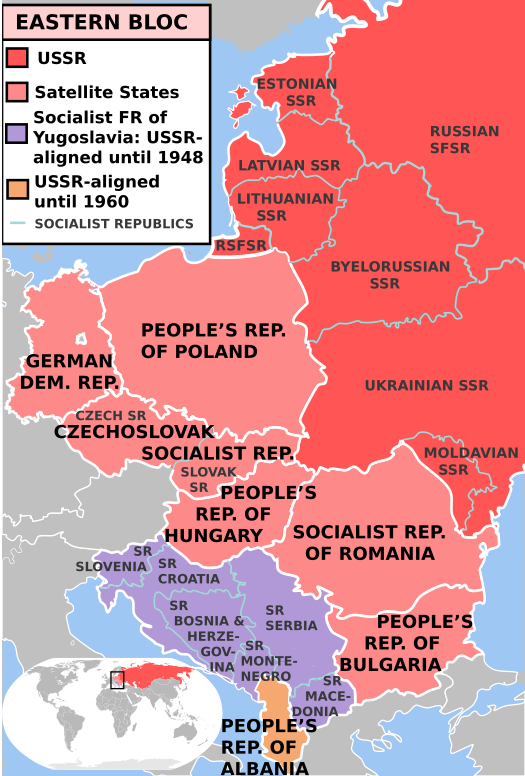
Post-World War II, Poland aligns with Soviet influence, becoming part of Eastern Bloc.
Poland

Political
Global Trade
3 min read
Updated By: History Editorial Network (HEN)
Published:
Following the end of World War II, Poland found itself under Soviet influence as part of the Eastern Bloc. The Soviet Union's Red Army effectively controlled the country, shaping its post-war political landscape. This shift in power significantly impacted Poland's independence and sovereignty.
The Yalta Conference in 1945, attended by Allied leaders, solidified Poland's fate as part of the Soviet sphere of influence. The Polish government-in-exile, based in London, faced marginalization as the communist-backed Lublin government gained control in Warsaw. This marked the beginning of Poland's communist era, lasting well into the late 20th century.
Under Soviet influence, Poland underwent rapid industrialization and collectivization, mirroring the policies of its eastern neighbor. The imposition of communist ideology and suppression of dissent heavily influenced Polish society and politics for decades to come.
The integration of Poland into the Eastern Bloc significantly shaped its foreign policy, economic development, and cultural landscape. The country's autonomy and freedom were compromised as it aligned with the Soviet Union's strategic interests.
#Poland #SovietInfluence #EasternBloc #WorldWarII #YaltaConference
Primary Reference
The End of WWII and the Division of Europe | CES at UNC

Explore the Life Moments of
 AI Twin