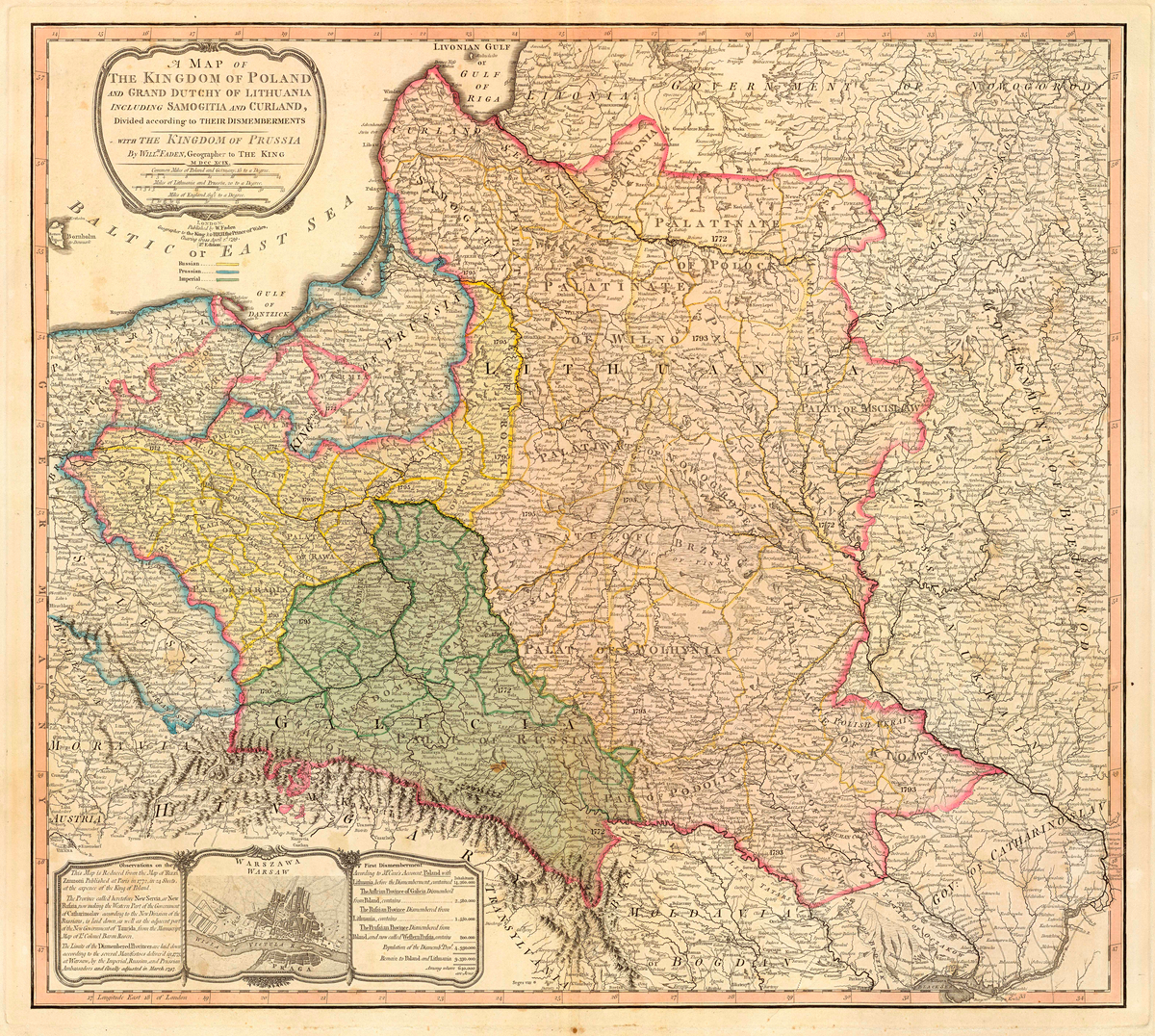
Formation of the Polish-Lithuanian Commonwealth through the Union of Lublin in the 16th century.
Poland

Political
3 min read
Updated By: History Editorial Network (HEN)
Published:
In the 16th century, the Union of Lublin was a pivotal event that saw the merging of the Kingdom of Poland and the Grand Duchy of Lithuania into the Polish-Lithuanian Commonwealth. This union was driven by a desire for mutual protection and economic cooperation, as well as a shared goal of countering the growing influence of neighboring powers.
The resulting Commonwealth became one of the largest and most powerful states in Europe, spanning a vast territory and encompassing diverse cultures. The union brought together different political systems, religions, and ethnic groups under a centralized government, creating a unique and complex multi-national state.
The merger had a lasting impact on the region, ushering in a golden age of prosperity, cultural flourishing, and military strength. The Commonwealth became an important player in European politics, shaping alliances and conflicts on the continent for centuries to come.
The Union of Lublin symbolizes a landmark moment in the history of Poland, highlighting the power of cooperation and unity in the face of external threats and internal divisions. It stands as a testament to the strength that can be achieved through collaboration and compromise.
#UnionofLublin #PolishLithuanianCommonwealth #EuropeanHistory #UnityInDiversity
Primary Reference
Polish–Lithuanian Commonwealth - Wikipedia

Explore the Life Moments of
 AI Twin