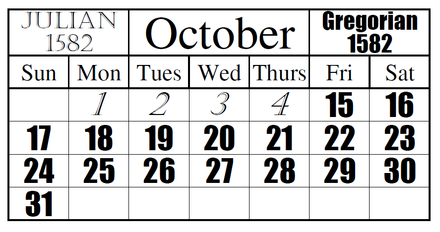
Adoption of the Gregorian calendar for better timekeeping and alignment with seasons.
Poland
Cultural
3 min read
Updated By: History Editorial Network (HEN)
Published:
During the late 16th century, Poland adopted the Gregorian calendar to replace the Julian calendar to align itself with the rest of Europe. The switch aimed to correct discrepancies in the Julian calendar, which had led to misalignment of seasons over the years. The reform was implemented by Pope Gregory XIII and brought changes to the calculation of leap years.
The adoption of the Gregorian calendar had a significant impact on various aspects of Polish society, particularly in areas such as agriculture, religion, and trade. It allowed for a more accurate measurement of time, aiding in the synchronization of activities within the country and with neighboring regions. The new calendar also influenced religious festivals and observances, bringing Poland in line with the practices of other Catholic nations.
This transition was not immediate, as there was resistance and hesitation from some quarters to accept the changes. However, over time, the benefits of the Gregorian calendar became evident, leading to its widespread adoption across Poland. The switch marked a crucial moment in Polish history, symbolizing the country's willingness to modernize and integrate with the broader European community.
#Poland #GregorianCalendar #CalendarReform
Primary Reference
Adoption of the Gregorian calendar - Wikipedia

Explore the Life Moments of
 AI Twin