The German Imperial Government's decision to assume direct control of German New Guinea from the German New Guinea Company

| Political | Economic Downturn |
Updated By: History Editorial Network (HEN)
Published: | Updated:
5 min read
The German Imperial Government's decision to assume direct control of German New Guinea from the German New Guinea Company marked a pivotal administrative shift. This transfer of authority came after a period of economic challenges and governance issues faced by the German New Guinea Company, which had initially administered the territory since its establishment.
German New Guinea, encompassing the northeastern part of modern-day Papua New Guinea, was initially managed by the German New Guinea Company with the goal of exploiting agricultural and mineral resources. However, the company struggled with financial instability, limited infrastructure, and conflicts with indigenous populations. These issues hindered economic growth and effective governance, prompting the German Imperial Government to intervene.
By assuming direct control, the German Imperial Government aimed to stabilize the region and strengthen its colonial presence in the Pacific. This move allowed for the projection of stronger administrative policies, infrastructure development, and economic strategies. The government's direct involvement facilitated better coordination of efforts to assimilate the local economy into the broader German colonial framework, encouraging investment and development endeavors.
The transition also had significant implications for the indigenous populations. The German government pursued policies aimed at maintaining order, introducing new legal systems, and expanding missionary activities. This had profound social and cultural impacts on local communities, influencing their lifestyles and interactions with the colonial administrators.
The takeover did not immediately resolve all challenges, but it laid the groundwork for more structured colonial governance. By addressing administrative weaknesses and emphasizing economic development, the German government sought to turn German New Guinea into a more viable and productive colonial territory.
The historical significance of this event lies in its role in shaping the political and economic landscape of German New Guinea. It stands as an example of the broader imperial strategies employed by European powers during the colonial era, reflecting the complexities and impacts of colonial administration on both the colonizers and indigenous populations.
#MoofLife #ColonialHistory #GermanNewGuinea #PapuaNewGuinea #ImperialGovernance
Primary Reference: Papua New Guinea (08/09)
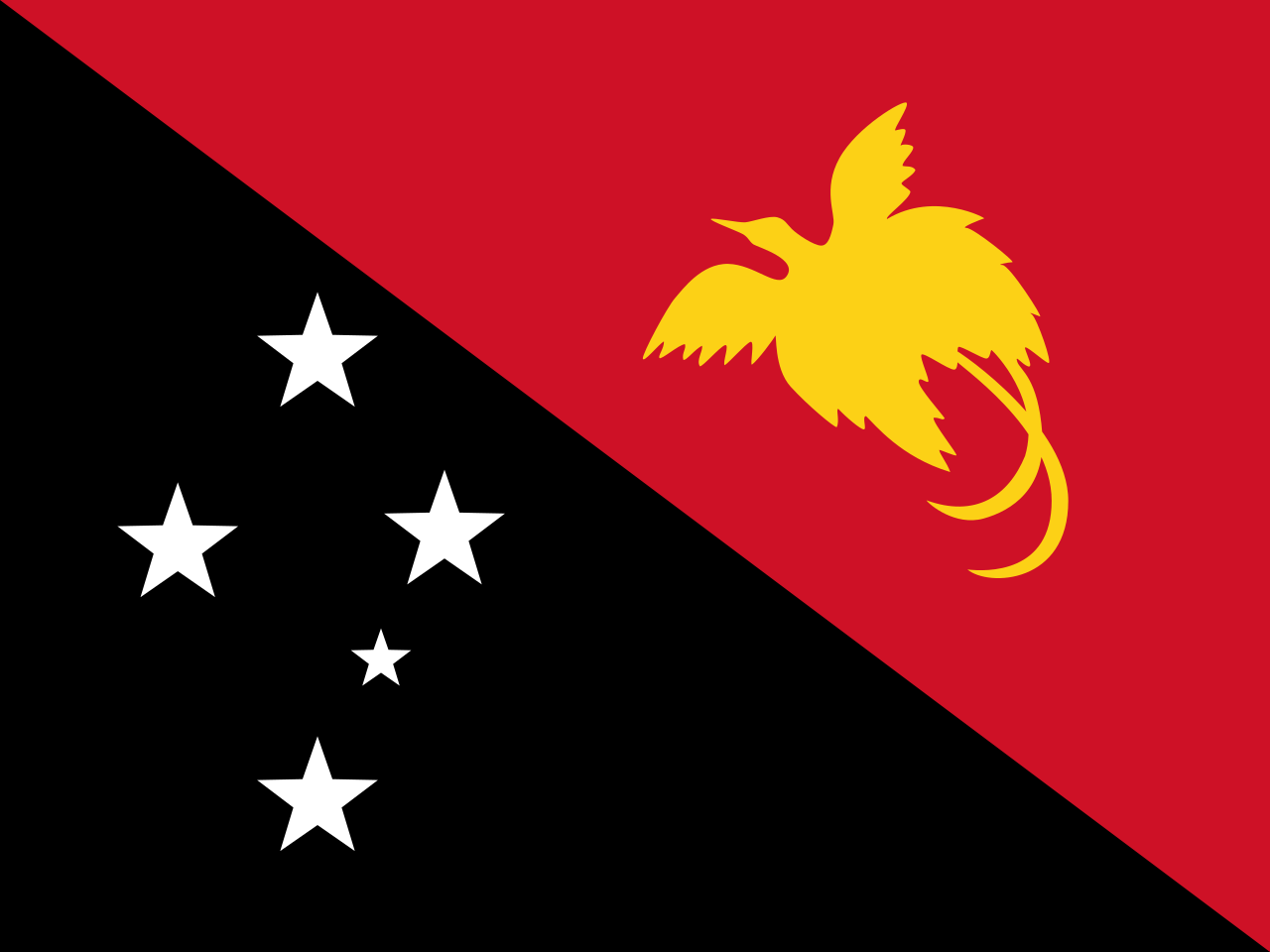
Explore the Life Moments of Papua New Guinea |