Jorge de Menezes Names Land 'Papua': Opens New Trade Routes and Cultural Exchange

| Exploration |
Updated By: History Editorial Network (HEN)
Published: | Updated:
3 min read
Portuguese explorer Jorge de Menezes, while navigating the waters of Southeast Asia, stumbled upon a large landmass located to the north of Australia. The region, previously unknown to Europeans, was home to various indigenous tribes with their own rich cultural practices. Upon closer encounter, Menezes observed the distinctive frizzled texture of the Melanesian people’s hair. Drawing from the Malay word 'papuwah', which describes this unique hair quality, Menezes named the territory 'Papua'.
This discovery by Jorge de Menezes opened up new regions for exploration and subsequent trade. The indigenous communities had no immediate concept of the global implications of this encounter, as they continued their traditional ways initially undisturbed by European presence. For the European explorers, however, the sighting of Papua marked an important geographical and cultural milestone. This newfound knowledge contributed to the mapping of the Pacific islands and expanded European awareness beyond their prior territorial limits.
Economically, the discovery sparked interest among various European nations striving to expand their trade routes and access new resources. Culturally, the name 'Papua' has persisted through centuries, enduring as part of the identity of the island now known as Papua New Guinea.
#MoofLife #Exploration #PapuaHistory #MelanesianCulture #EuropeanExploration #HistoricVoyages
Primary Reference: History of Papua New Guinea - Wikipedia
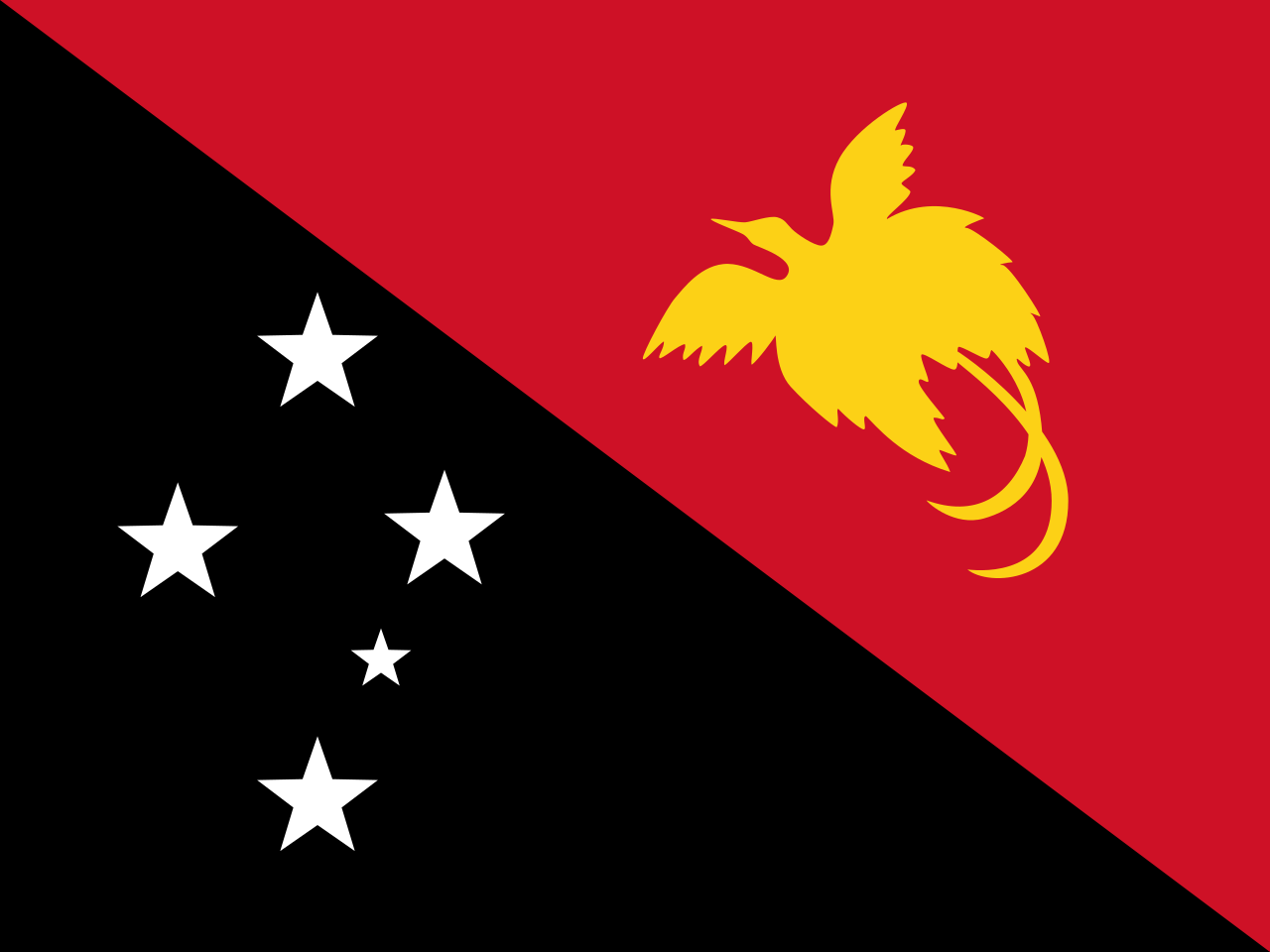
Explore the Life Moments of Papua New Guinea |