League of Nations mandates led Australia to govern New Guinea


| Political | Global Trade |
Updated By: History Editorial Network (HEN)
Published: | Updated:
4 min read
After World War I, the League of Nations reallocated the former German colonies as mandates to various allied powers. The Commonwealth of Australia was appointed as the mandatory power over the Territory of New Guinea. This decision followed Germany's withdrawal from its territories under the Treaty of Versailles. The mandate system aimed to administer and develop these regions while preparing them for self-governance.
Under Australian administration, New Guinea's administrative framework underwent significant changes. Australia's responsibilities included maintaining law and order, building infrastructure, and managing the territory's economic resources, primarily focusing on the development of plantations and mining activities.
The impact of the mandate on New Guinea was multifaceted. Economically, Australia sought to develop the territory's copra, cocoa, and rubber industries. Socially and administratively, Australia's presence brought about new governmental structures. However, the introduction of foreign governance also resulted in substantial cultural shifts and challenges for the indigenous population, who were largely marginalized in the new administrative and economic systems.
Statistically, by the mid-1920s, the population of Europeans in New Guinea was approximately 1,400, compared to roughly 250,000 indigenous inhabitants. Health and education saw gradual improvements, but disparities remained stark.
The administration period placed significant emphasis on resource exploitation and infrastructure development, leaving a lasting legacy on the region that would continue to evolve throughout the 20th century.
#MoofLife #MandateSystem #PapuaNewGuinea #ColonialHistory #EconomicDevelopment
Primary Reference: Papua New Guinea (08/09)
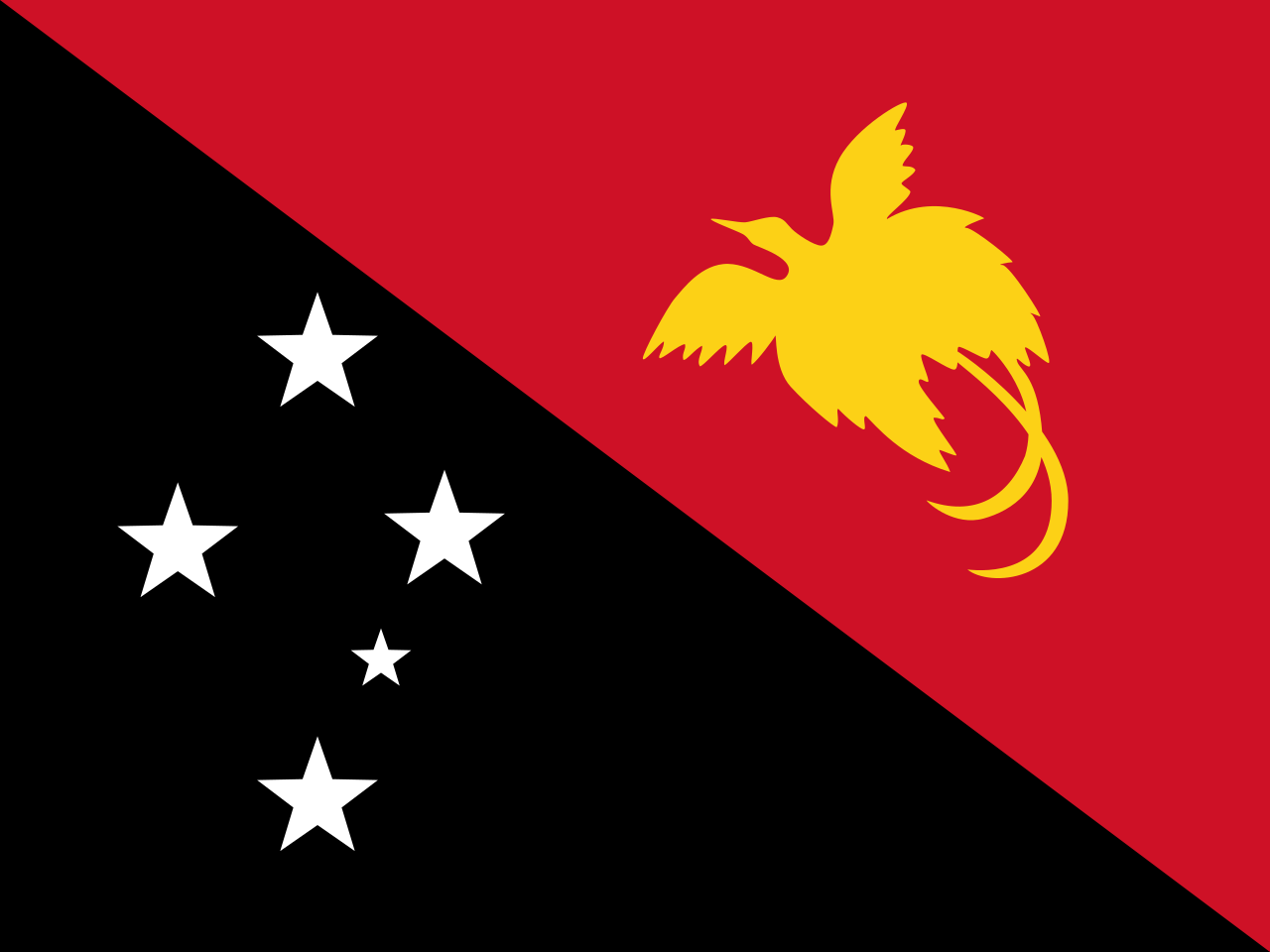
Explore the Life Moments of Papua New Guinea |