Assassination of Ahmed Yassin
Palestine
Middle Eastern Politics
Conflict and Security
Historical Events
4 min read
Updated By: History Editorial Network (HEN)
Published:
Updated:
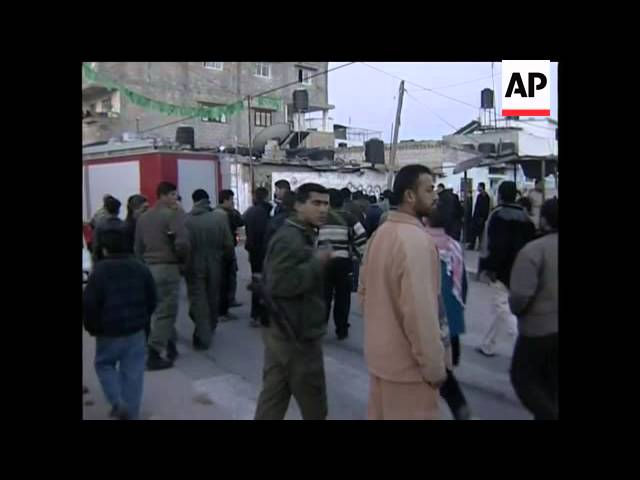
The assassination of Sheikh Ahmed Yassin, the spiritual leader and co-founder of Hamas, took place on March 22, 2004, in Gaza City. Yassin, who was wheelchair-bound and visually impaired, was targeted by an Israeli airstrike as he was leaving a mosque after morning prayers. An Israeli Apache helicopter fired Hellfire missiles at him and his aides, killing Yassin instantly along with seven others. The attack was part of Israel's broader strategy to eliminate key figures in militant groups, citing their direct involvement in planning and executing attacks against Israeli civilians and military forces. His assassination sparked outrage across the Arab and Muslim world, leading to widespread protests and vows of retaliation from Hamas and other Palestinian factions.
The killing of Ahmed Yassin had significant repercussions in the Israeli-Palestinian conflict. For many Palestinians, Yassin was not only a political and military leader but also a revered religious figure, and his death further fueled animosity towards Israel. Hamas, in response, escalated its armed resistance, carrying out several attacks in retaliation. The assassination also drew international criticism, with many world leaders condemning it as an extrajudicial killing that would further destabilize the region. However, Israel defended its actions by asserting that eliminating Yassin was a necessary step in preventing future terrorist attacks. Despite his death, Hamas continued to grow in strength, eventually taking control of Gaza in 2007. Yassin’s assassination remains a pivotal event in Middle Eastern history, symbolizing the deep-seated tensions and cycles of violence in the Israeli-Palestinian conflict.
#AhmedYassin #MiddleEastConflict #Gaza #Hamas #IsraelPalestine #HistoricalEvents #PoliticalAssassination #MomentOfLife #MoofLife
#mooflife
#MomentOfLife
#AhmedYassin
#YasserArafat
#Israeli-palestinianConflict
#Hamas
#MiddleEastPolitics

Explore the Life Moments of
 AI Twin