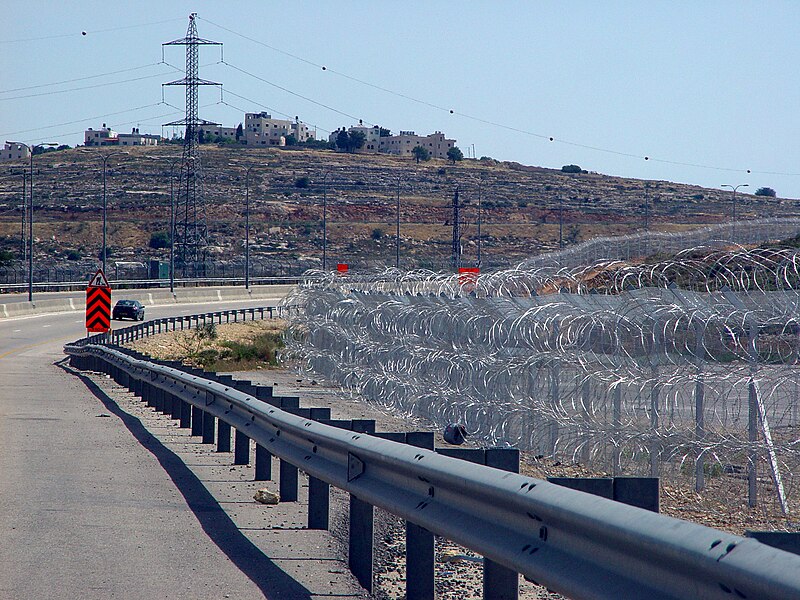
Construction of Security Barrier Aimed at Preventing Suicide Bombers from Entering Israel
Palestine
Security
International Relations
Infrastructure
3 min read
Updated By: History Editorial Network (HEN)
Published:
Updated:
In 2002, Israel initiated the construction of the Israeli West Bank Barrier, a complex security structure designed to prevent suicide bombers and other attackers from crossing into Israeli territory from the West Bank. This barrier, which includes fences, walls, and checkpoints, was a significant response to a wave of violence during the Second Intifada, a period marked by heightened conflict between Israelis and Palestinians. The primary objective of the barrier was to enhance the security of Israeli citizens by reducing the number of attacks. While the barrier has been credited with decreasing the incidence of suicide bombings, it has also been a source of controversy and debate. Critics argue that the barrier infringes on the rights of Palestinians, restricts their movement, and complicates the peace process. The construction of the barrier coincided with the introduction of the Road Map for Peace, a plan proposed by the Quartet (the United States, European Union, Russia, and the United Nations) aimed at resolving the Israeli-Palestinian conflict. The barrier remains a focal point in discussions about security, human rights, and the future of Israeli-Palestinian relations.
#mooflife
#MomentOfLife
#IsraeliWestBankBarrier
#SecurityBarrier
#Israeli-palestinianConflict
#SecondIntifada
#RoadMapForPeace
Primary Reference
West Bank barrier

Explore the Life Moments of
 AI Twin