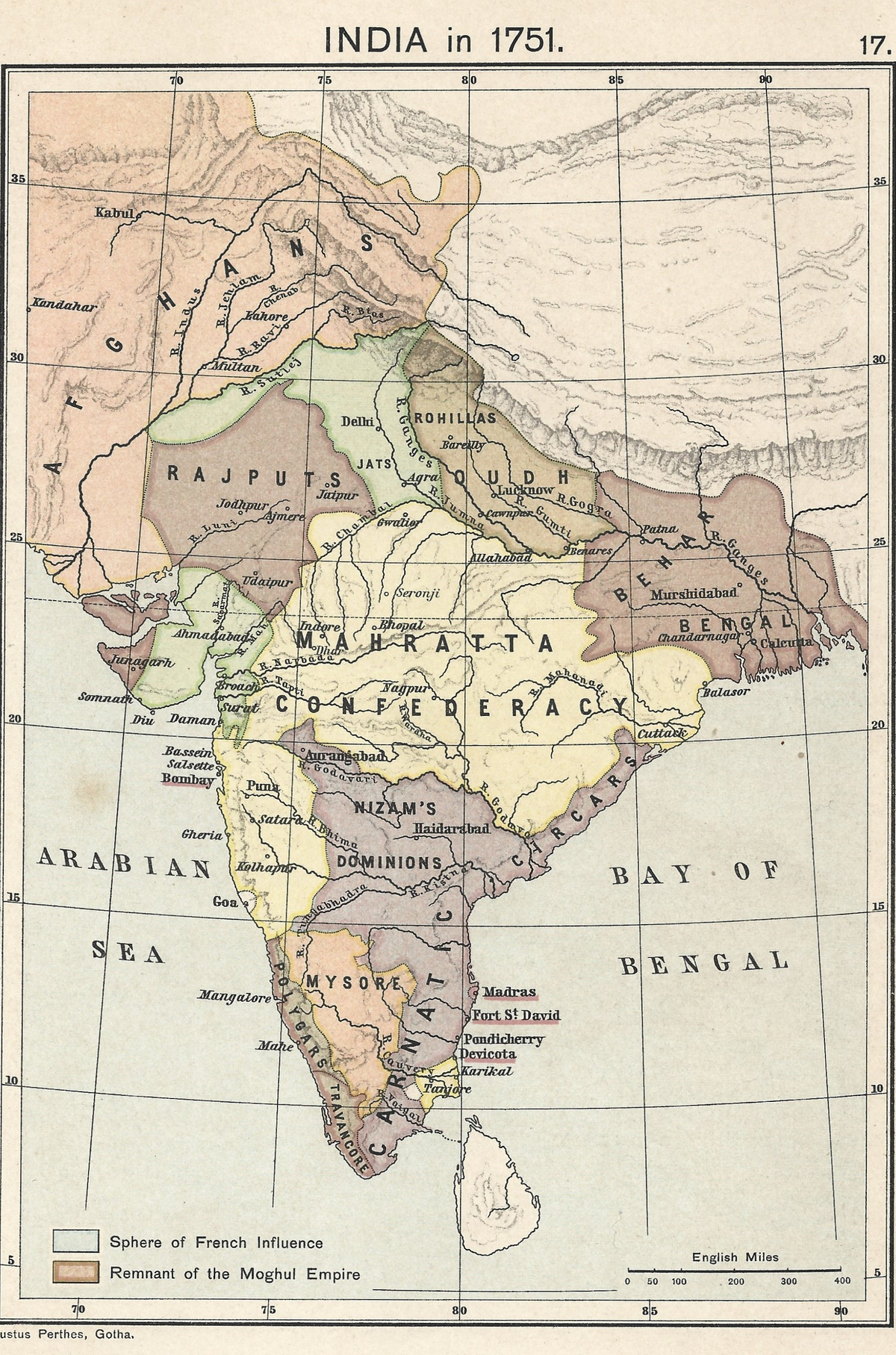
Trade Relations: Mughal Empire with European Powers and British East India Company
Pakistan
Global Trade
Economic
4 min read
Updated By: History Editorial Network (HEN)
Published:
During the 17th century, the Mughal Empire, a powerful force in the Indian subcontinent, established trade relations with various European powers, notably the British East India Company. The Mughals were known for their wealth, opulence, and strategic location along important trade routes, making them an attractive partner for European nations seeking to expand their trading networks.
The British East India Company, backed by the British crown, saw an opportunity to tap into the lucrative Indian markets through establishing trade relations with the Mughal Empire. With the Mughals, the British East India Company gained access to valuable commodities such as textiles, spices, and indigo that were highly sought after in Europe. In exchange, the Mughals benefited from European technology, goods, and access to new markets.
This trade relationship had a significant impact on both parties. The Mughal Empire received a boost in its economy through increased trade with European powers, while the British East India Company gained a foothold in the Indian subcontinent, laying the groundwork for future British colonization in the region. The exchange of goods, ideas, and technologies also contributed to cultural exchange and globalization during that period.
The establishment of trade relations between the Mughal Empire and various European powers, including the British East India Company, marked a turning point in the history of trade and diplomacy in South Asia. It set the stage for future interactions between the East and the West, shaping the economic and political landscape of the region for centuries to come.
#MughalEmpire #BritishEastIndiaCompany #TradeRelations #CulturalExchange #Globalization #SouthAsia #EconomicHistory

Explore the Life Moments of
 AI Twin