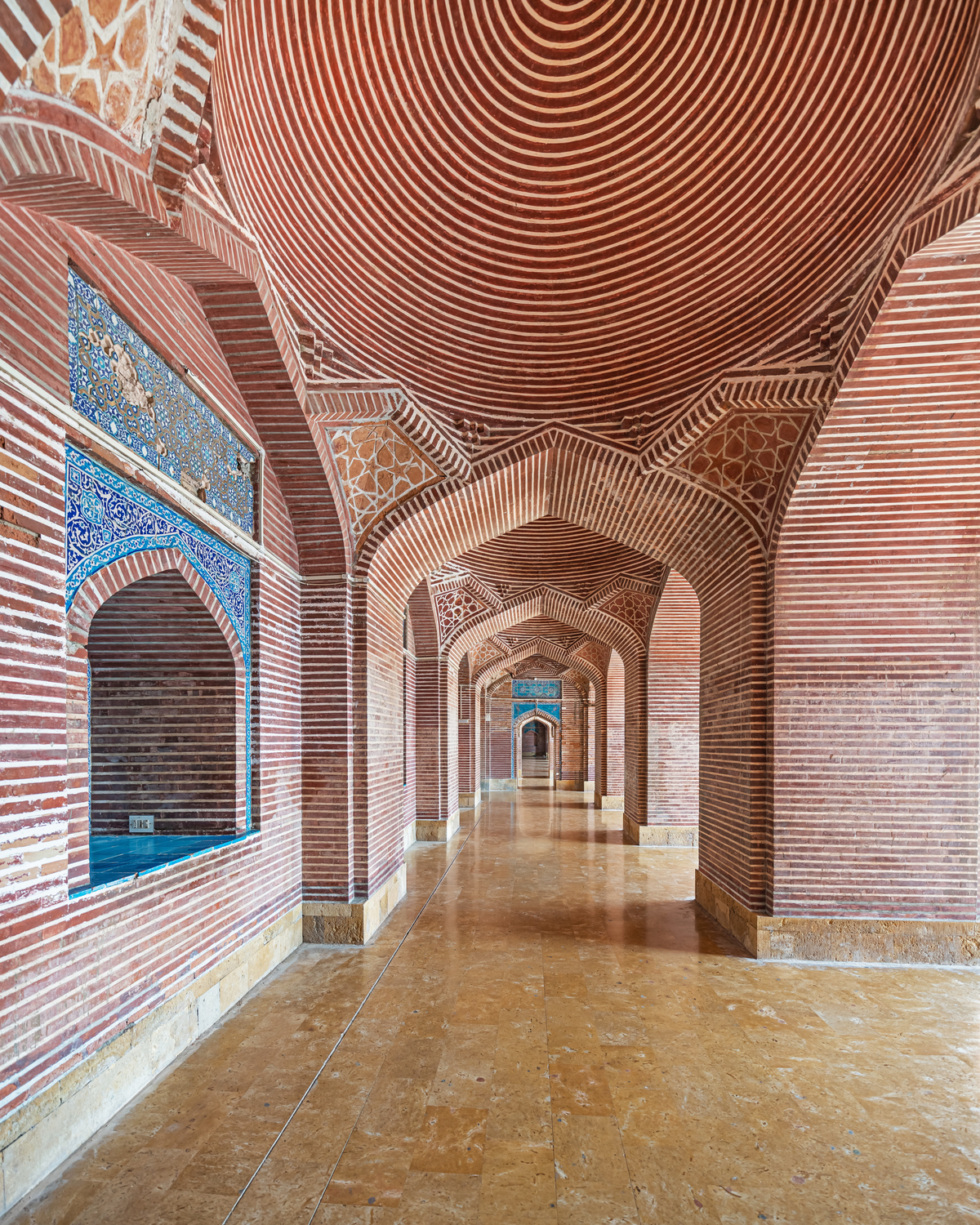
Shah Jahan Mosque: Architectural Marvel in Thatta
Pakistan
Architecture
4 min read
Updated By: History Editorial Network (HEN)
Published:
The Shah Jahan Mosque in Thatta, Sindh was constructed during the Mughal era. Commissioned by Emperor Shah Jahan without the use of mortar, this mosque is known for its striking red brickwork and blue Persian tiles. The mosque showcases a unique blend of Islamic, Persian, and Mughal architectural styles.
The construction of the Shah Jahan Mosque in Thatta had a significant impact on the architectural landscape of the region. It served as a symbol of religious tolerance and cultural exchange during the Mughal Empire. The mosque's grandiose structure and intricate designs attracted scholars, artisans, and travelers from far and wide, contributing to the cultural richness of the area.
Featuring a large central prayer hall, a spacious courtyard, and intricately designed minarets, the Shah Jahan Mosque stands as a testament to the architectural prowess of the Mughal era. Its geometric patterns, floral motifs, and calligraphic inscriptions add to the mosque's aesthetic appeal.
The construction of the Shah Jahan Mosque in Thatta reflects a harmonious fusion of artistic traditions from different regions, making it a cultural masterpiece that continues to captivate visitors to this day. The mosque's historical significance and architectural beauty have earned it a place on the list of UNESCO World Heritage Sites, ensuring its preservation for future generations to admire and appreciate.
#ShahJahanMosque #Thatta #Sindh #MughalArchitecture #CulturalExchange #UNESCOWorldHeritageSite
Primary Reference
Fading splendour of Thatta's Shah Jahani mosque - Pakistan ...

Explore the Life Moments of
 AI Twin