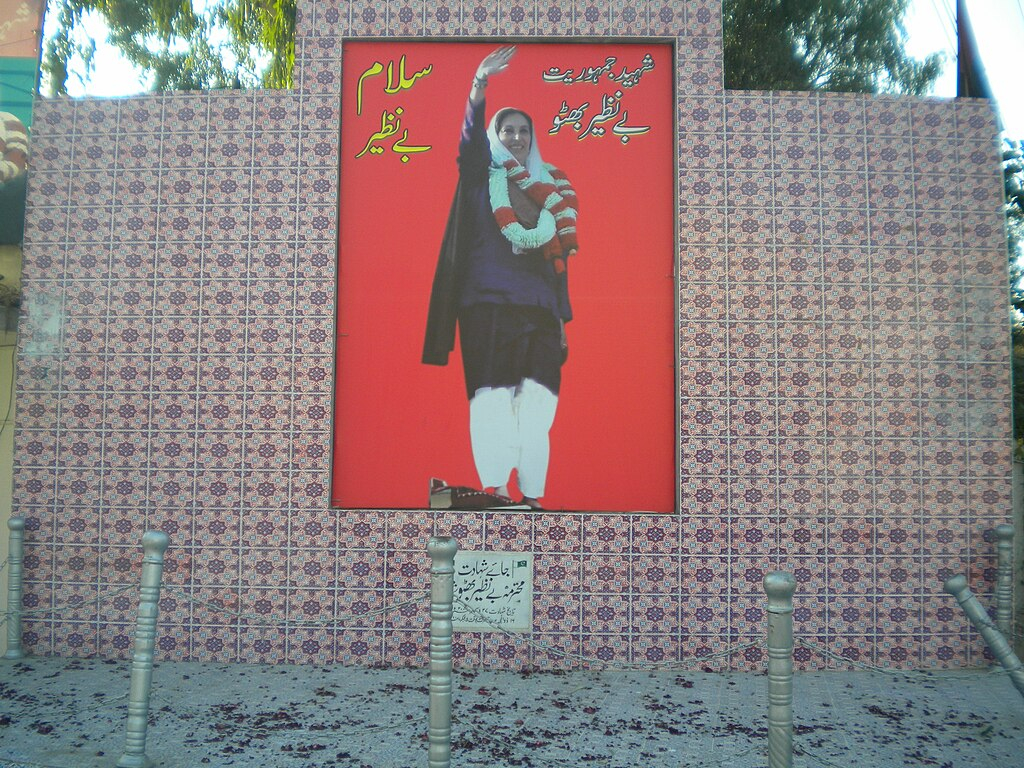
National Mourning and Unrest after Bhutto's Assassination
Pakistan

Political
Violence
4 min read
Updated By: History Editorial Network (HEN)
Published:
The assassination of former Prime Minister Benazir Bhutto in Rawalpindi sent shockwaves across Pakistan, leading to widespread mourning and unrest. Bhutto, a prominent political figure and the first woman to head a Muslim-majority country, was targeted after addressing a rally ahead of the upcoming elections. Her assassination occurred amidst a wave of political violence in the country.
Bhutto's death sparked immediate chaos, with violent protests erupting in several cities. Supporters and citizens took to the streets, expressing their grief and anger at the loss of a leader who symbolized hope for many. The news of her assassination also raised concerns about the stability of the nation and the future of democracy in Pakistan.
The tragic event had a profound impact on the political landscape of Pakistan. It further polarized an already divided society and raised questions about the government's ability to provide security and maintain law and order. The assassination of Bhutto also had consequences for the upcoming elections, as her party and supporters grappled with the loss of their leader.
In the aftermath of the assassination, a period of national mourning was declared, and tributes poured in from around the world. The incident served as a reminder of the challenges faced by political leaders in Pakistan and the ongoing struggle against extremism and violence.
The assassination of Benazir Bhutto highlighted the fragility of democracy and the constant threat posed by political violence in Pakistan. It underscored the need for unity and stability in the face of adversity, as the nation mourned the loss of a courageous leader.
#BenazirBhutto #Assassination #Pakistan #Mourning #Unrest #PoliticalViolence #Democracy #Stability #Leadership

Explore the Life Moments of
 AI Twin