Establishment of Mughal Subah of Lahore
Pakistan

CulturalPatronage
4 min read
Updated By: History Editorial Network (HEN)
Published:
The Establishment of the Mughal Subah of Lahore marked a pivotal moment in the Mughal Empire's expansion into the Indian subcontinent. Following Emperor Akbar's policy of centralizing power, Lahore was established as a key administrative unit, overseeing territories in present-day Pakistan. This strategic move aimed to strengthen Mughal control, facilitate governance, and enhance revenue collection in the region.
Under the Mughal Subah of Lahore, key administrative reforms were implemented to streamline the administration and foster economic development. The appointment of governors, known as Subahdars, helped in maintaining law and order, ensuring tax collection, and extending the empire's influence in the region. The establishment of a robust administrative framework facilitated trade, agriculture, and cultural exchange, contributing to the prosperity of the area.
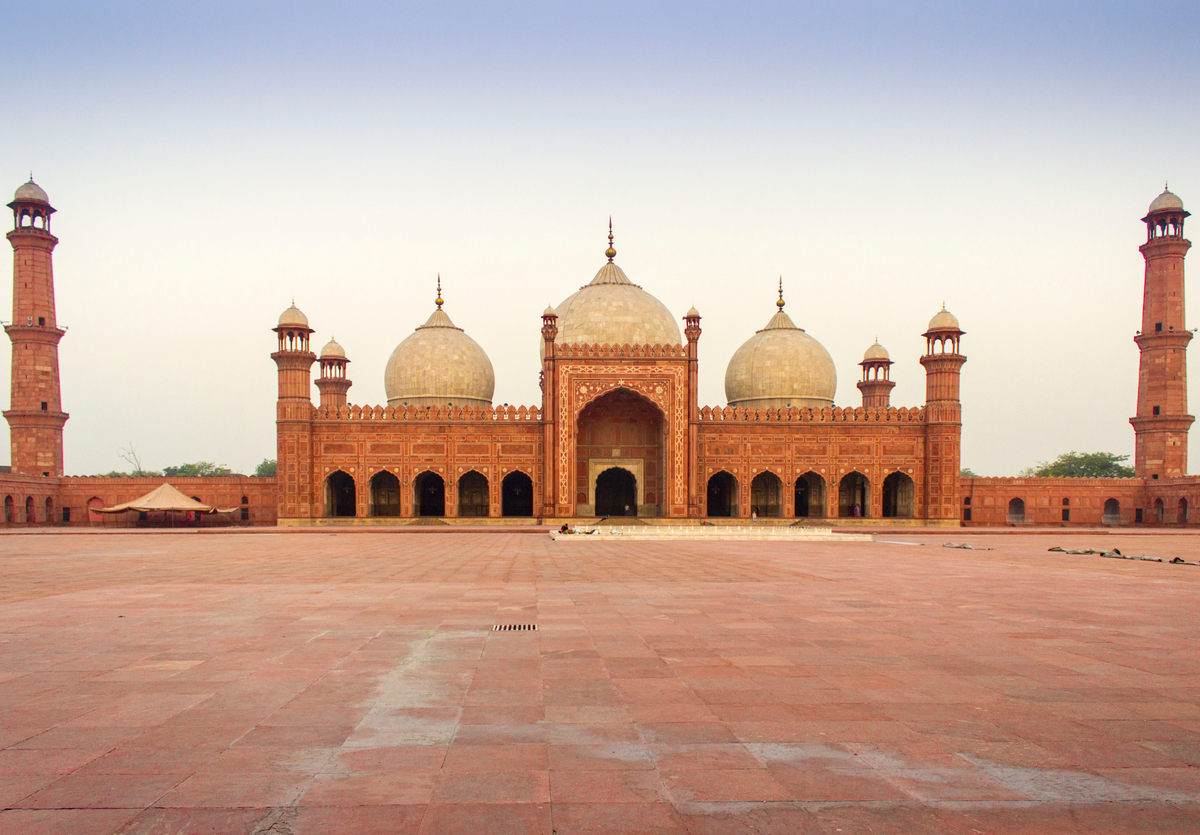
The impact of the Mughal Subah of Lahore extended beyond governance to cultural and architectural realms. The Mughal rulers, renowned for their patronage of the arts, left a lasting legacy in Lahore through the construction of magnificent structures like the Lahore Fort and Badshahi Mosque. These architectural marvels stand as a testament to the Mughal Empire's cultural richness and architectural prowess.
Overall, the Establishment of the Mughal Subah of Lahore was a transformative event that reshaped the political and socio-economic landscape of the region. It exemplified the Mughal Empire's imperial ambitions, administrative efficiency, and cultural sophistication, leaving an indelible mark on the history of Pakistan.
#MughalEmpire #AdministrativeReforms #CulturalPatronage #LahoreFort #BadshahiMosque

Explore the Life Moments of
 AI Twin