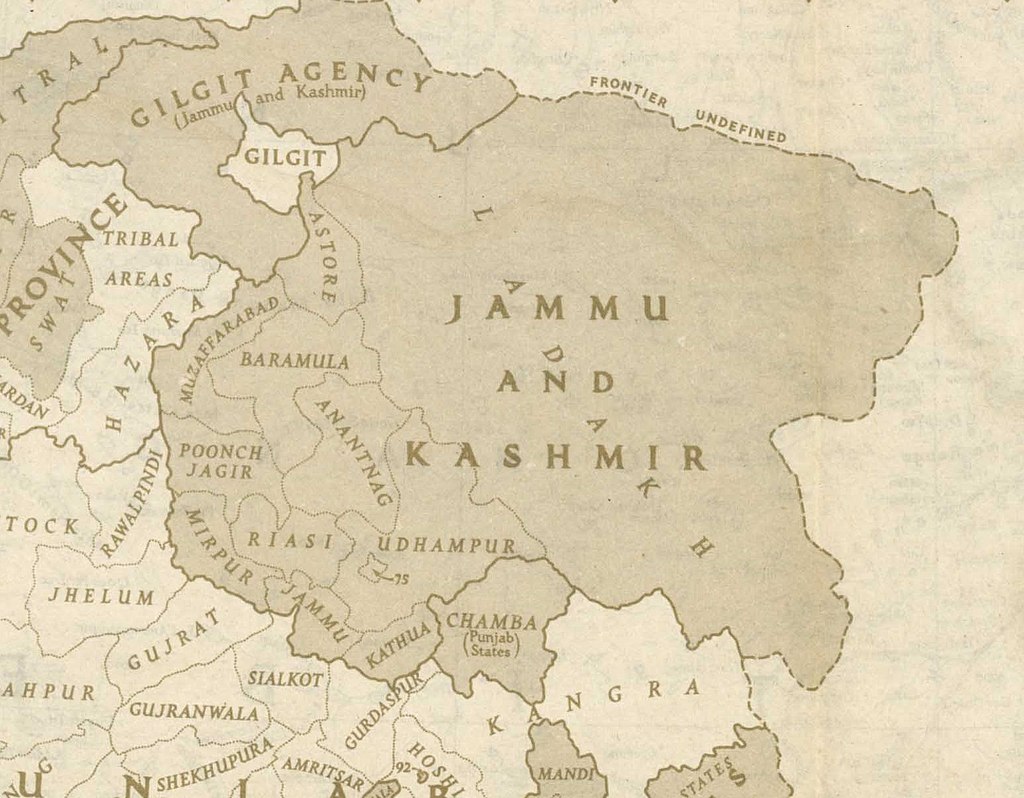
Formation of Azad Kashmir after Poonch rebellion's success against Maharaja of Kashmir
Pakistan
Political
Independence Struggle
4 min read
Updated By: History Editorial Network (HEN)
Published:
In 1947, the Poonch rebellion erupted in the region of Jammu and Kashmir, where locals rose against the oppressive rule of the Maharaja of Kashmir. The revolt gained momentum as the rebels fought for their autonomy and rights. The rebellion was led by notable figures like Sardar Ibrahim and Chaudhry Ghulam Abbas, who rallied the people to resist the Maharaja's oppressive policies.
The rebellion culminated in the formation of Azad Kashmir, a self-governing state that aimed to break away from the Maharaja's rule. The rebels, backed by Pakistan, managed to secure control over the region, marking a significant victory in their struggle for independence. The establishment of Azad Kashmir provided a sense of liberation and self-governance to the people who had long endured tyranny under the Maharaja.
The end of the Poonch rebellion and the formation of Azad Kashmir had far-reaching implications for the region. It not only symbolized the triumph of the oppressed against the oppressor but also set the stage for the larger conflict over Kashmir's fate. The event highlighted the deep-rooted discontent among the Kashmiri population and their desire for self-determination.
The creation of Azad Kashmir served as a beacon of hope for those striving for independence and autonomy. It ignited a spirit of resistance and resilience among the people, urging them to continue their fight for freedom. The event remains a pivotal moment in the history of the region, reminding the world of the enduring quest for liberty and sovereignty.
#PoonchRebellion #AzadKashmir #IndependenceStruggle #KashmirConflict

Explore the Life Moments of
 AI Twin