Cubism & Surrealism: Picasso's Influence in Avant-Garde Art Exhibition
Spain
Art
Exhibition
4 min read
Updated By: History Editorial Network (HEN)
Published:
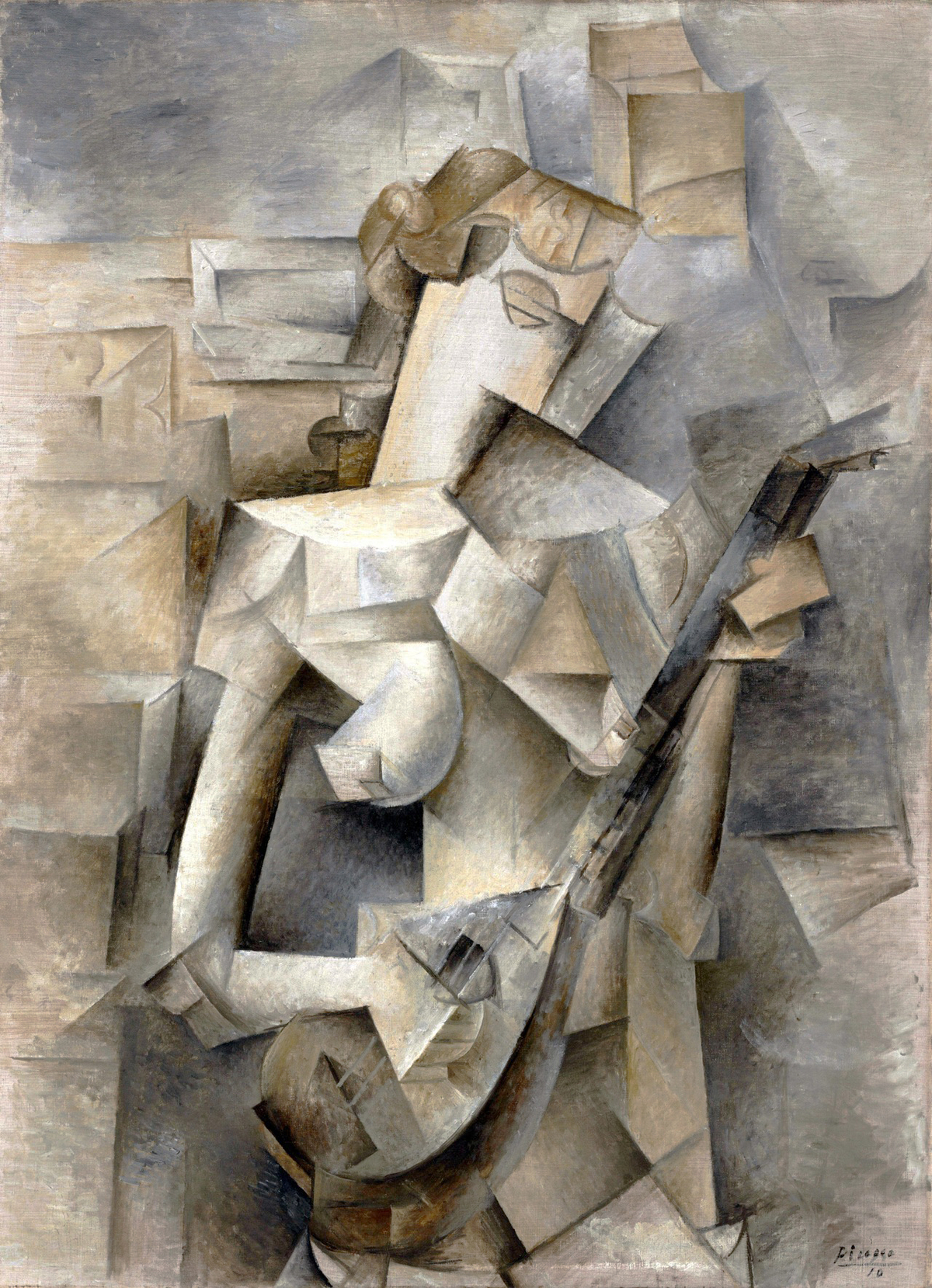
The first Surrealist group exhibition witnessed a significant shift in the art world when Pablo Picasso's Cubist works were showcased. Originating in Paris, this event marked the convergence of two avant-garde artistic movements: Cubism and Surrealism. Picasso, primarily known for pioneering Cubism, challenged traditional perspectives by breaking down subjects into geometric forms and presenting multiple viewpoints simultaneously.
Surrealism, spearheaded by André Breton, delved deep into the exploration of the unconscious mind, dreams, and the irrational. The exhibition aimed to merge these elements into a unique artistic experience, juxtaposing the logical deconstructions of Cubism with Surrealism's fantastical expressions. By including Picasso's Cubist pieces, the exhibition underscored the fluidity and evolving nature of modern art.
The impact was multi-faceted. For the Surrealists, incorporating Cubist works validated their movement by associating it with the already established and revolutionary innovations of Picasso. It also broadened the audience's understanding of Surrealism, not merely as a singular style but as an inclusive approach that welcomed various forms of radical artistic expression. For Cubism, being highlighted in this context offered a new layer of interpretation, where its analytical approach to form could be seen through the lens of Surrealism's dreamlike and symbolic perspectives.
The exhibition attracted a diverse crowd, from critics and art aficionados to curious onlookers, eager to witness this groundbreaking fusion. Reports from the time noted significant attendance and a mixed array of reactions, highlighting the event's role in advancing discussions about the evolving role of art in society.
#MoofLife #Cubism #Surrealism #ArtExhibition #PabloPicasso #ModernArt
Primary Reference
Picasso and Surrealism | Musée Picasso Paris
Explore the Life Moments of
 AI Twin