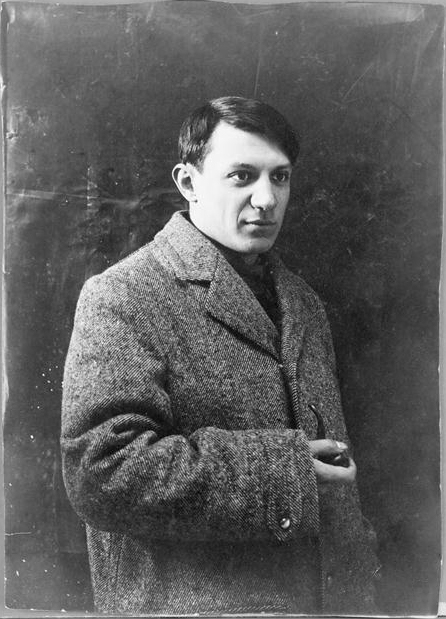
Picasso's Citizenship Refusal: Political tensions, ideological concerns, and the interplay of art and politics in France.
Spain
Political
Art
4 min read
Updated By: History Editorial Network (HEN)
Published:
Pablo Picasso, a Spanish expatriate, sought French citizenship during a tumultuous period. Known globally for his innovative contributions to modern art, Picasso had resided in France for several years. His desire to secure French citizenship coincided with escalating political tension across Europe. The French authorities, responsible for granting citizenship, scrutinized his application.
Their decision to refuse Picasso's request was influenced significantly by his perceived communist sympathies. Picasso's public admiration for the Soviet Union and his association with leftist ideas raised concerns among officials. Although he was not overtly political in his art, his affiliations and public statements suggested ideological leanings that were problematic under the circumstances.
This refusal had meaningful repercussions. It highlighted the broader political climate and the challenges faced by prominent figures associated with controversial political ideologies. Picasso's rejection underscored the interplay between politics and personal identity during a fraught historical period. The authorities' decision illustrated the high stakes involved in issues of national security and ideological conformity.
Picasso continued to live and work in France, developing an enduring legacy without the formal status of French citizenship. This episode added to his complex relationship with the states underwriting his artistic journey while navigating ideological landscapes.
#Picasso #ArtHistory #PoliticalClimate #Nationality #MoofLife
Primary Reference
Picasso in Paris: A Suspect, Never a Citizen - The New York Times
Explore the Life Moments of
 AI Twin