Nobel Prize Winners Revolutionize Immunology: Mechnikov and Ehrlich's Groundbreaking Discoveries in Understanding Immunity.
Sweden
Science
Medical
Research
4 min read
Updated By: History Editorial Network (HEN)
Published:
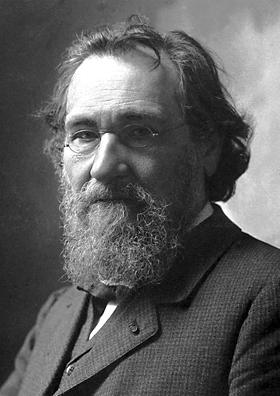
Ilya Mechnikov and Paul Ehrlich were awarded the Nobel Prize in Physiology or Medicine for their groundbreaking work on immunity. Ilya Mechnikov, a Russian zoologist, is renowned for his research on phagocytosis. In his studies, he observed that certain cells could engulf harmful bacteria and particles, a process he termed phagocytosis. This discovery was fundamental in understanding how the body defends itself against infections.
On the other hand, Paul Ehrlich, a German scientist, contributed significantly through his work on antibodies and the side-chain theory. His research laid the foundation for understanding how the immune system identifies and neutralizes foreign substances, paving the way for modern immunology. Ehrlich's techniques for staining tissues were crucial for the development of bacteriology and made it easier to diagnose and treat various diseases.
The impact of their combined work has been profound. Mechnikov's and Ehrlich's discoveries enabled better understanding and treatment of infectious diseases, leading to advances in vaccines and therapies that saved countless lives. Their work also provided a stepping stone for future research in immunology, influencing many scientists in the field.
It is important to note that their contributions came at a time when infectious diseases were one of the leading causes of mortality worldwide. The research of Mechnikov and Ehrlich has historically been a cornerstone in the fight against these diseases, significantly reducing mortality rates and improving public health.
#NobelPrize #Immunology #Medicine #IlyaMechnikov #PaulEhrlich #MoofLife
Primary Reference
The Nobel Prize in Physiology or Medicine 1908 - Award ceremony ...
Explore the Life Moments of
 AI Twin