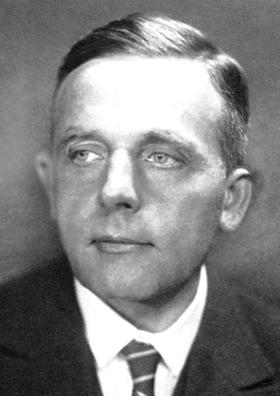
Otto Warburg's Nobel Prize-winning research revolutionized understanding of cellular respiration and cancer metabolism.
Sweden
Science
MedicalInnovation
3 min read
Updated By: History Editorial Network (HEN)
Published:
Otto Warburg was honored with the Nobel Prize in Physiology or Medicine for his groundbreaking work on the nature and action of the respiratory enzyme. Warburg's research provided essential insights into cellular respiration, revealing how cells convert nutrients into energy. His studies demonstrated the role of iron-containing cytochromes in the process of cellular respiration, fundamentally changing the understanding of metabolic processes.
Warburg's work centered on the mechanisms by which cells metabolize oxygen, leading to the discovery of the 'Warburg effect' where cancer cells exhibit elevated glucose consumption and lactate production despite the presence of oxygen. This pivotal finding laid the groundwork for further research into cancer metabolism and has influenced the development of diagnostic and therapeutic strategies.
The acknowledgement of Warburg's contributions through this prestigious award underscored the significance of his discoveries in the field of biochemistry and cell biology. His rigorous methodologies and innovative approaches set a new standard in scientific research and emphasized the importance of detailed cellular studies in understanding broader physiological functions.
#Biochemistry #CellRespiration #NobelPrize #CancerResearch #MedicalInnovation #MoofLife
Primary Reference
Physiology or Medicine 1931 - Presentation Speech - NobelPrize.org
Explore the Life Moments of
 AI Twin