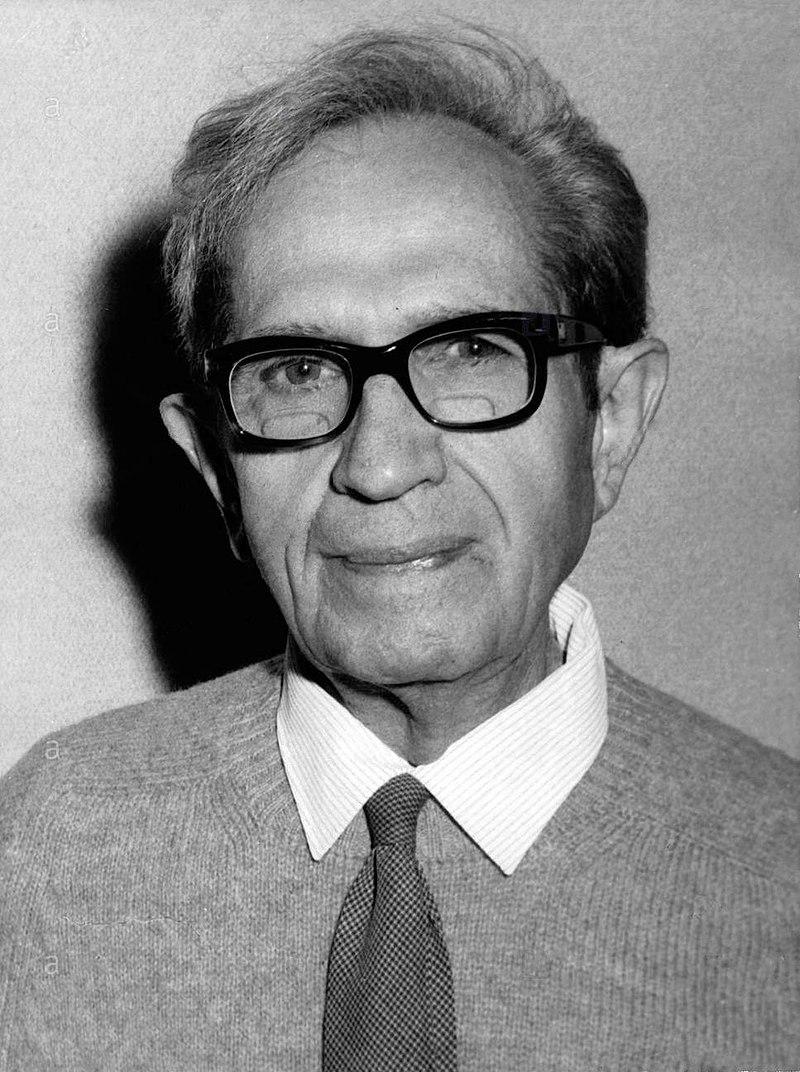
Nobel laureates revolutionize cell biology with groundbreaking discoveries in cellular structure and function.
Sweden
Science
Cellular Biology
3 min read
Updated By: History Editorial Network (HEN)
Published:
Albert Claude, Christian de Duve, and George E. Palade were recognized for their contributions to the understanding of cellular structure and function through the Nobel Prize in Physiology or Medicine. Their discoveries provided crucial insights into the organization of the cell, significantly advancing the field of cell biology. Claude, a pioneer in cell biology, used differential centrifugation to separate cellular components, revealing details about the internal structure of cells. De Duve identified peroxisomes and lysosomes, key organelles involved in detoxification and cellular degradation processes. Palade's work utilized electron microscopy to study cell ultrastructure, leading to the discovery of ribosomes and elucidating the process of protein synthesis within cells.
These discoveries collectively enhanced the biological sciences by delineating the functional and structural basis of cells. This knowledge paved the way for further research into cellular processes and disease mechanisms, propelling advancements in medical science and biotechnology. At the time, their work had far-reaching implications, influencing various research areas such as molecular biology, genetics, and biochemistry.
#MoofLife #NobelPrize #CellBiology #ScientificDiscovery #CellStructure #Physiology #Medicine
Primary Reference
George E. Palade – Banquet speech - NobelPrize.org
Explore the Life Moments of
 AI Twin