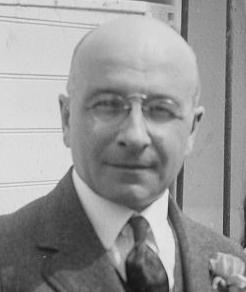
Alexis Carrel: Pioneer in Medical Science and Organ Transplantation
Sweden
Science
Medical Science
4 min read
Updated By: History Editorial Network (HEN)
Published:
Alexis Carrel was recognized for his significant contributions to the field of medical science, specifically in the areas of vascular sutures and the transplantation of blood vessels and organs. Carrel's pioneering work laid the groundwork for modern vascular surgery and organ transplantation.
Carrel developed new techniques for suturing blood vessels, which greatly improved the success rate of surgeries involving blood vessels. His methods allowed damaged blood vessels to be repaired more effectively, reducing the risk of complications and improving patient outcomes. Additionally, Carrel explored the possibilities of organ transplantation, conducting experiments that demonstrated the feasibility of transplanting organs and tissues between animals. These experiments provided critical insights into the challenges and potential of organ transplants, including issues related to immune response and tissue compatibility.
Carrel's innovations had a profound impact on surgical practice and biomedical research. His work on vascular sutures helped to save countless lives by enabling more effective surgical interventions for conditions such as aneurysms and vascular injuries. His research in organ transplantation laid the foundation for future breakthroughs in the field, eventually leading to successful human organ transplants.
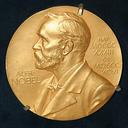
To honor his groundbreaking contributions, Carrel was awarded the Nobel Prize in Physiology or Medicine. This recognition highlighted the importance of his work and encouraged further research and development in vascular surgery and organ transplantation.
#VascularSurgery #OrganTransplantation #NobelPrize #MedicalInnovation #MoofLife
Primary Reference
Award ceremony speech - NobelPrize.org
Explore the Life Moments of
 AI Twin