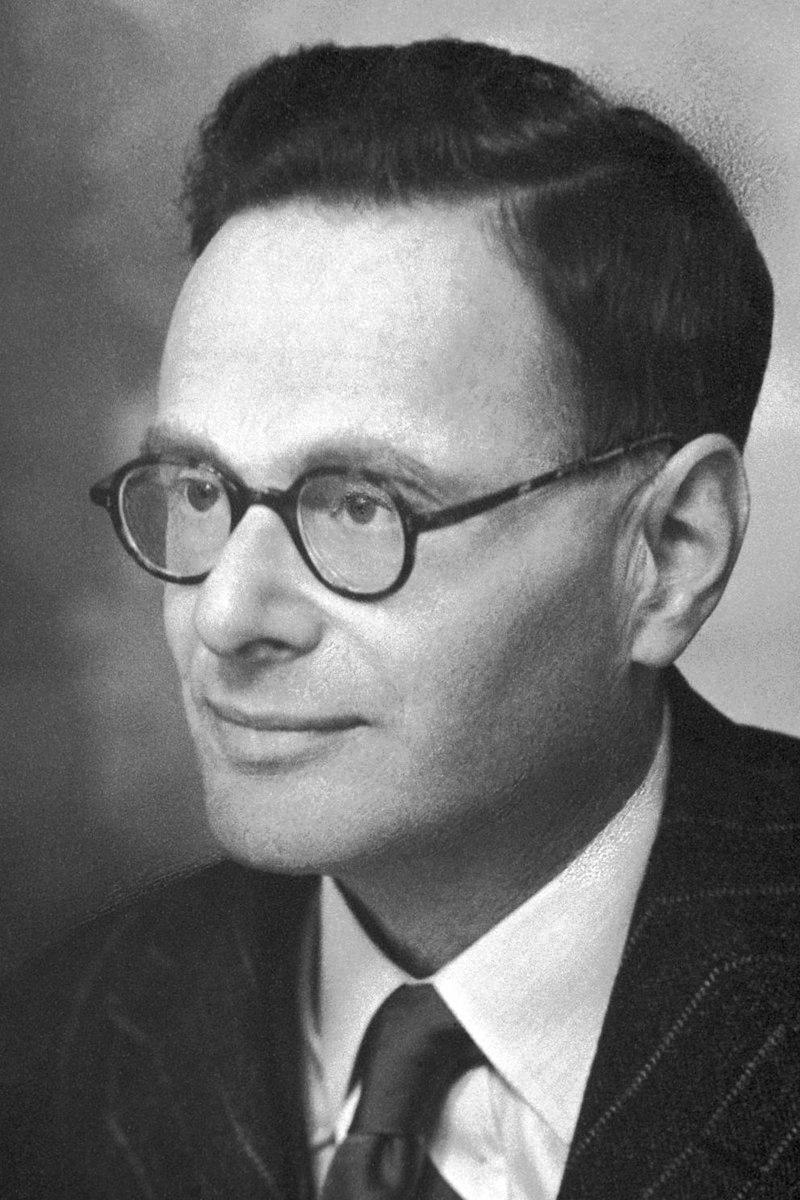
Key Discoveries in Biochemistry: Krebs and Lipmann's Nobel Prize-Winning Work in Cellular Metabolism.
Sweden
Science
Health Science
3 min read
Updated By: History Editorial Network (HEN)
Published:
Hans Krebs and Fritz Lipmann were avidly studying key biochemical processes in the early 20th century. Krebs’ work focused on cellular respiration and energy production, leading to the discovery of the citric acid cycle, also known as the Krebs cycle. This cycle is a series of chemical reactions used by all aerobic organisms to release stored energy from carbohydrates, fats, and proteins.
Concurrently, Lipmann's research was centered on the role of co-enzymes in cellular processes. He elucidated the significance of co-enzyme A in metabolism, a crucial component in the synthesis and oxidation of fatty acids as well as the metabolism of many other molecules. These discoveries provided deep insights into how cells harness energy, enabling advancements in biochemistry and medical research.
The contributions of Krebs and Lipmann were widely acknowledged across the scientific community for their profound impact on understanding metabolic pathways. Their research has informed the development of numerous medical and therapeutic applications.
Eventually, their significant contributions were recognized through the awarding of the Nobel Prize in Physiology or Medicine. Their findings continue to influence ongoing research in metabolic diseases, cellular biology, and bioenergetics.
#NobelPrize #Biochemistry #CellularRespiration #Metabolism #ScientificDiscovery #HealthcareInnovation #MoofLife
Primary Reference
Hans Krebs (biochemist) - Wikipedia
Explore the Life Moments of
 AI Twin