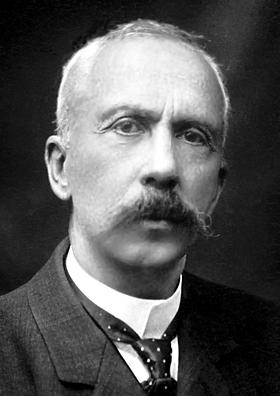
Charles Richet's Nobel Prize-winning research revolutionized understanding of anaphylaxis and immune responses.
Sweden
Science
Medicine
4 min read
Updated By: History Editorial Network (HEN)
Published:
Charles Richet was honored with the Nobel Prize in Physiology or Medicine for his pioneering research on anaphylaxis. Anaphylaxis, a severe and rapid systemic allergic reaction, was first rigorously studied by Richet in the early 20th century. Working alongside Paul Portier, Richet observed that injecting non-lethal doses of toxin into dogs heightened their sensitivity to future exposures, often resulting in fatal reactions. This discovery was counterintuitive to the then-prevailing belief that repeated exposure to a substance would diminish sensitivity.
Richet's research revealed that the immune system could sometimes overreact to harmless substances, leading to life-threatening conditions. This was a crucial advancement in immunology and medicine, shedding light on the complexity of human immune responses. His work laid the foundation for understanding allergic reactions, autoimmune disorders, and the phenomenon of immunity.
Recognized by the Nobel Committee, Richet's contributions have had long-lasting effects in both clinical settings and medical research. The understanding of anaphylaxis has guided the development of emergency treatments, such as epinephrine administration, and preventive strategies. Statistics indicate that awareness and timely intervention have significantly reduced fatalities associated with anaphylactic reactions.
Charles Richet's dedication to uncovering the mysteries of anaphylaxis has had profound implications. His work continues to influence contemporary medicine, providing a basis for ongoing research into immune response mechanisms.
#MoofLife #NobelPrize #Immunology #Anaphylaxis #MedicalResearch #HealthInnovation
Primary Reference
The Nobel Prize in Physiology or Medicine 1913 - Award ceremony ...
Explore the Life Moments of
 AI Twin