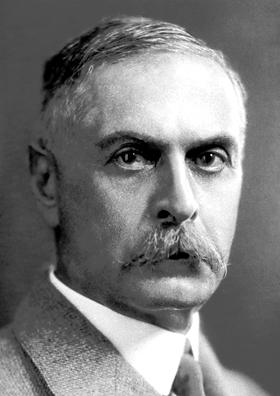
Karl Landsteiner: Pioneer of Blood Group Discovery and Transfusion Safety
Sweden
Science
Medical
4 min read
Updated By: History Editorial Network (HEN)
Published:
Karl Landsteiner, an Austrian immunologist and pathologist, was recognized for his groundbreaking discovery of human blood groups. This achievement addressed a critical problem in medicine, enhancing the safety and effectiveness of blood transfusions.
Before Landsteiner's discovery, blood transfusions were perilous, with many resulting in adverse reactions or death due to incompatibility. By identifying and classifying the A, B, AB, and O blood groups, Landsteiner demonstrated that the compatibility of blood types is crucial. This classification system revealed the presence of specific antigens on the surface of red blood cells, allowing for more precise matching between donors and recipients.
The impact of Landsteiner's work was profound. With this knowledge, medical professionals could avoid transfusion reactions and save countless lives. This discovery laid the foundation for modern transfusion medicine, making surgeries and treatments requiring blood transfusions much safer.
Landsteiner's contributions extended beyond blood groups. He also discovered the Rh factor, further refining blood compatibility knowledge. His work was instrumental in developing safer medical practices and in advancing the field of immunology.
The recognition of Karl Landsteiner's discovery significantly advanced medical science, allowing for effective blood transfusion strategies and ensuring the safety of millions of patients worldwide. His work remains a cornerstone of hematology and transfusion medicine, continuing to influence medical practices and research.
#BloodGroupsDiscovery #MedicalBreakthrough #NobelPrize #KarlLandsteiner #MoofLife #MedicalScience #TransfusionSafety
Primary Reference
Physiology or Medicine 1930 - Presentation Speech - NobelPrize.org
Explore the Life Moments of
 AI Twin