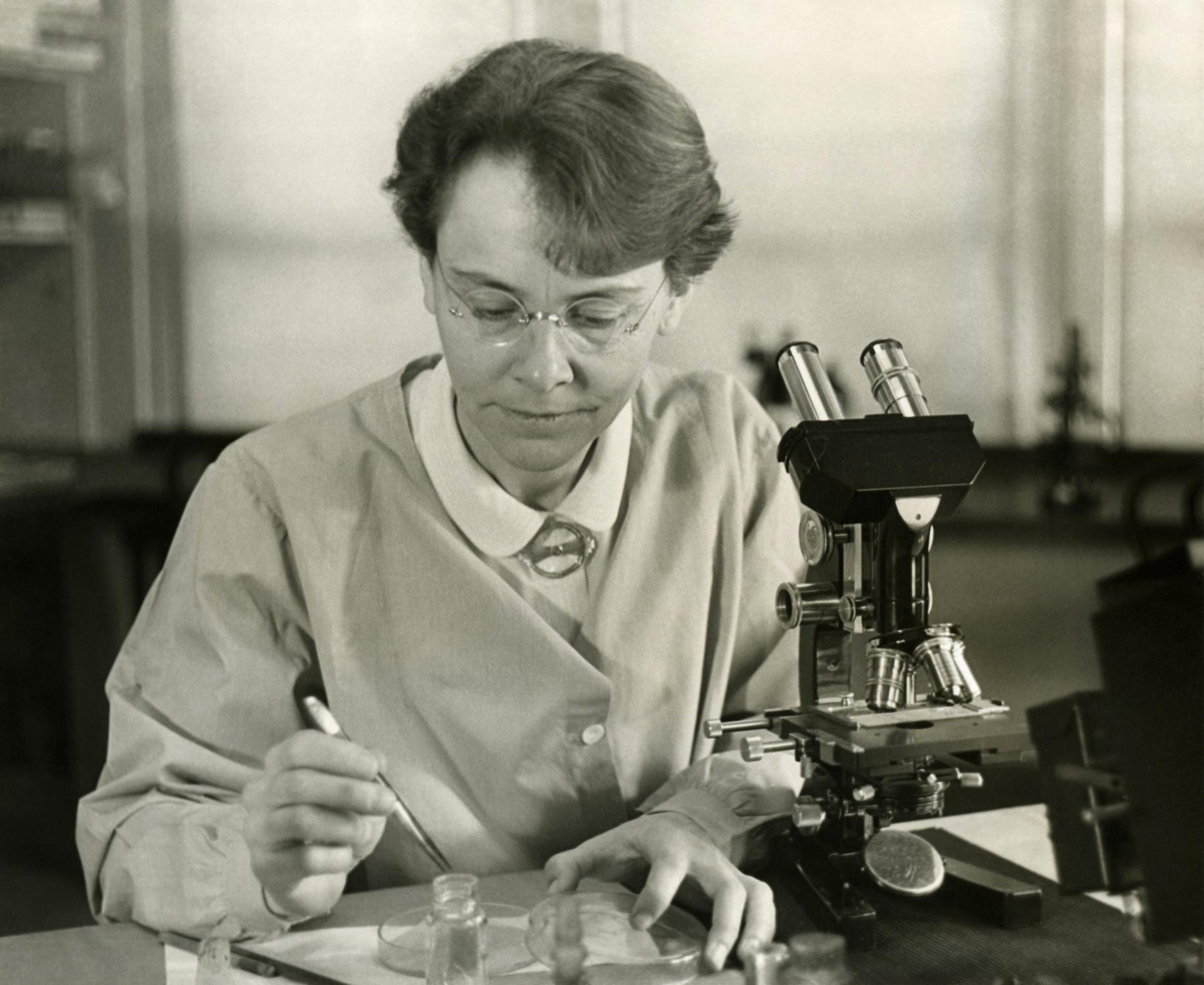
Barbara McClintock: Pioneer of Mobile Genetic Elements in Maize and Nobel Prize Winner
Sweden
Science
5 min read
Updated By: History Editorial Network (HEN)
Published:
Barbara McClintock was honored with the Nobel Prize in Physiology or Medicine for her pioneering research on mobile genetic elements within maize. Her journey began with a comprehensive study of cytogenetics—the branch of genetics that correlates the structure and number of chromosomes with heredity—and led to discovering 'jumping genes.'
McClintock's interest in maize genetics started during her graduate studies at Cornell University. She meticulously observed maize and began identifying distinct patterns of color inheritance in kernels, which didn't align with the existing genetic understanding. Her research further revealed that some genes could change position within the genome. These transposable elements, or transposons, challenged prevailing views that genes occupied fixed positions on chromosomes.
Initially, McClintock's findings were met with skepticism, as the concept of genes moving within chromosomes contradicted the accepted genetic theories of the time. Despite the lack of immediate recognition, McClintock continued her research, providing substantial evidence for the presence of mobile genetic elements. Her work, illustrating the dynamic nature of the genome, significantly advanced the field of genetics and genomics.
The implications of McClintock's research were profound, as the ability of genes to move between locations on the genome disrupted the earlier concept of genetic stability and opened up new avenues for understanding genetic variation and regulation. This insight has been fundamental in various fields, from evolutionary biology to the development of biotechnological techniques like gene editing.
McClintock’s Nobel Prize underscored the importance of perseverance in scientific inquiry. Her recognition brought wider acceptance and stimulated further research into genetic mobility, influencing the next generation of geneticists and molecular biologists.
Her groundbreaking discovery of transposable elements not only enhanced the comprehension of genetic behavior but also laid the groundwork for future technological advancements in genetics. McClintock's work remains integral to ongoing research in genomics, cancer research, and developmental biology.
#BarbaraMcClintock #Genetics #NobelPrize #MobileGeneticElements #Transposons #Cytogenetics #WomenInScience #ScientificDiscovery #MooofLife
Primary Reference
Lech Wałęsa - Facts - NobelPrize.org
Explore the Life Moments of
 AI Twin