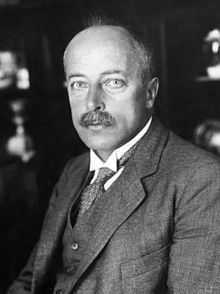
Max von Laue: Nobel Laureate for X-ray Diffraction and Crystallography Discovery
Sweden
Science
3 min read
Updated By: History Editorial Network (HEN)
Published:
Max von Laue received recognition for his pivotal discovery regarding the diffraction of X-rays by crystals. This discovery was fundamental in proving that X-rays had wave-like properties and could be diffracted when passed through a crystal lattice. Von Laue's experimentation involved directing X-rays through crystals and observing the resultant diffraction patterns. His findings offered empirical support to theoretical physics, contributing to a deeper understanding of electromagnetic waves.
The implications of von Laue's work were vast. It catalyzed advancements in the field of crystallography, enabling scientists to determine the atomic structures of numerous materials. This had a considerable impact on various scientific disciplines, including chemistry and biology. The methodology developed from his work allowed for the detailed structural analysis of complex molecules, which later played a pivotal role in the development of new materials and pharmaceuticals.
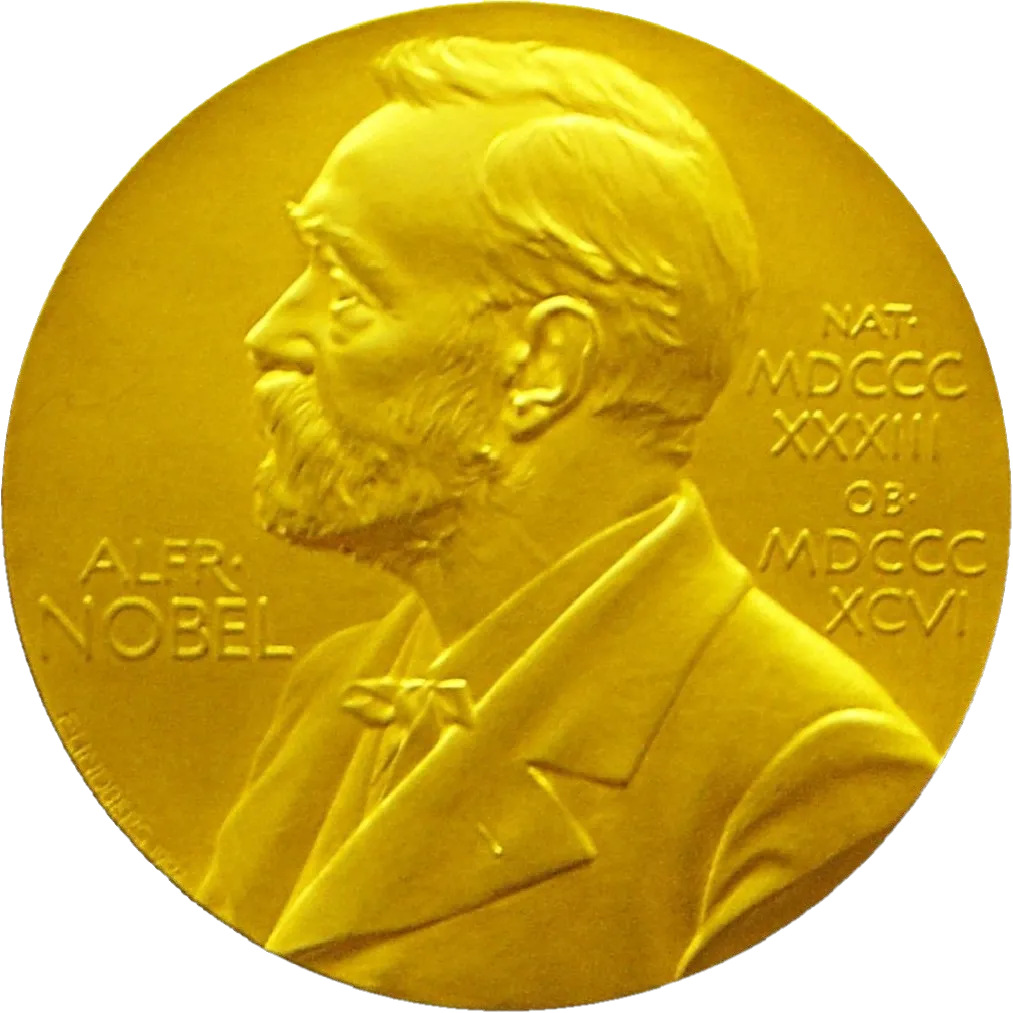
The recognition for von Laue's contribution came with the awarding of the Nobel Prize in Physics. This accolade not only acknowledged his individual achievement but also highlighted the importance of interdisciplinary research and empirical validation in scientific progress. Von Laue's work laid the groundwork for future discoveries and innovations, profoundly influencing the trajectory of modern science.
#NobelPrize #Physics #Crystallography #Xrays #ScientificDiscovery #MoofLife
Explore the Life Moments of
 AI Twin