Key Contributions in Low-Temperature Physics and Cosmic Microwave Background Radiation
Sweden
Science
Cosmology
3 min read
Updated By: History Editorial Network (HEN)
Published:
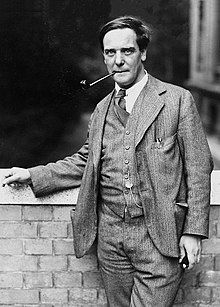
Pyotr Kapitsa was recognized for his pioneering work in low-temperature physics, contributing significantly to the understanding of quantum mechanics and condensed matter physics. His research provided insights into the behavior of helium at extremely low temperatures, leading to the discovery of superfluidity in helium-4. This work has had far-reaching consequences in physics, expanding knowledge of quantum phenomena and influencing various technological advancements.
Meanwhile, Arno Penzias and Robert Woodrow Wilson were honored for their discovery of the cosmic microwave background radiation. While working at Bell Labs, they detected a persistent noise in a radio antenna, which they initially could not explain. After ruling out technical faults and local sources of interference, they identified the signal as the afterglow of the Big Bang, providing critical evidence supporting the Big Bang theory. This discovery has reshaped the understanding of the universe's origins and evolution, playing a crucial role in the development of cosmology.
#NobelPrize #Physics #QuantumMechanics #Cosmology #Superfluidity #BigBang #ScientificDiscovery #MoofLife
Primary Reference
Arno Penzias: Nobel laureate who co-discovered 'echo of Big Bang ...
Explore the Life Moments of
 AI Twin