Semiconductor Revolution: Nobel Laureates Change Technology with Transistor Invention
Sweden
Technology
Science
3 min read
Updated By: History Editorial Network (HEN)
Published:
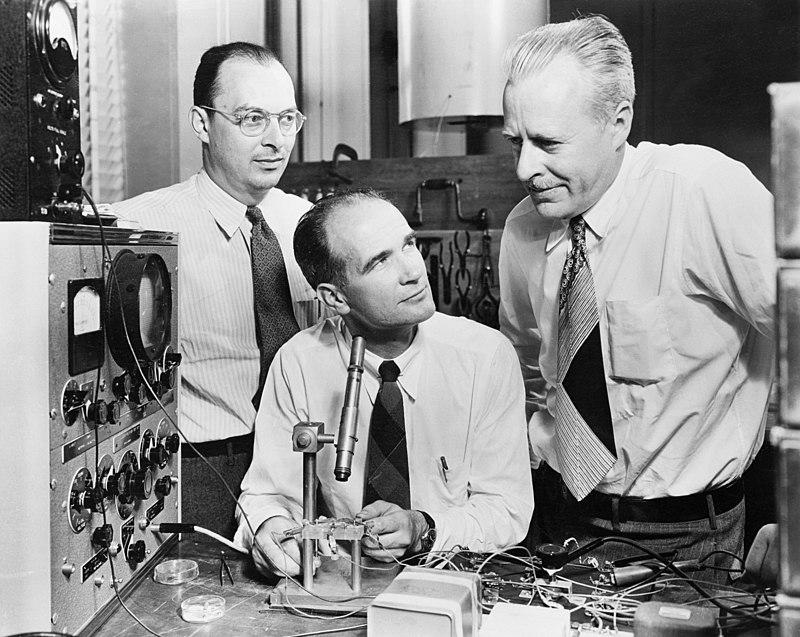
William B. Shockley, John Bardeen, and Walter H. Brattain were awarded for their research in semiconductors and the discovery of the transistor effect. The discovery occurred while working at Bell Labs, fundamentally altering the landscape of technology and electronics. Their work on the transistor provided a smaller, more reliable, and energy-efficient alternative to vacuum tubes used in amplification and switching technologies.
Bardeen and Brattain executed the experimental work leading to the creation of the point-contact transistor. Shockley contributed by theorizing and expanding on their findings to invent the junction transistor. This significant technological advancement laid the groundwork for the development of modern electronics, including computers, smartphones, and numerous other digital devices. The transistor became pivotal in the fabrication of integrated circuits, fueling the microelectronics industry.
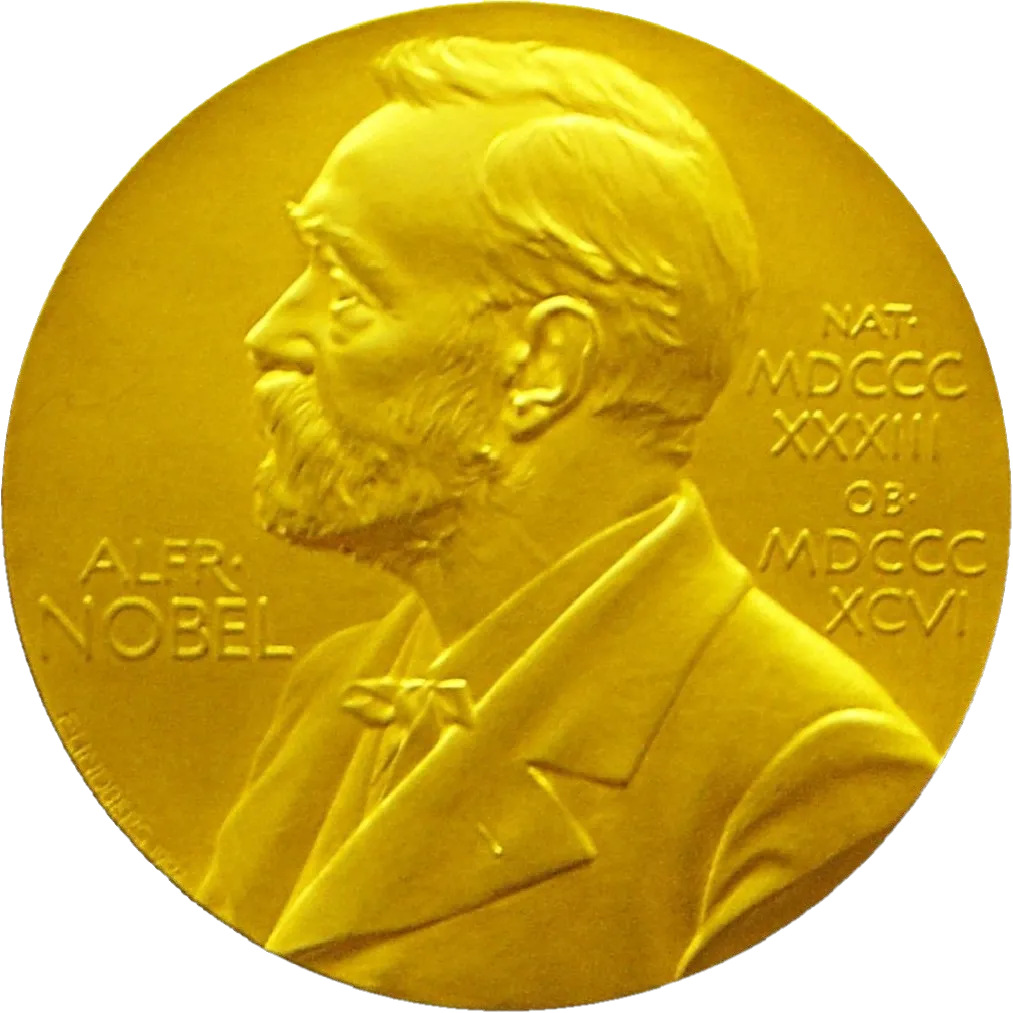
The invention drastically reduced size and power consumption for electronic circuits, catalyzing the era of miniaturization, which remains fundamental to the contemporary technology sector. This pioneering work was recognized globally, particularly influencing research in solid-state physics. The Nobel Prize in Physics was a testament to the team's groundbreaking contribution and its far-reaching impact on both science and daily life.
#TransistorEffect #BellLabs #NobelPrize #Physics #Electronics #Innovation #Semiconductors #MoofLife
Primary Reference
1956 Nobel Prize in Physics - Nokia Bell Labs
Explore the Life Moments of
 AI Twin