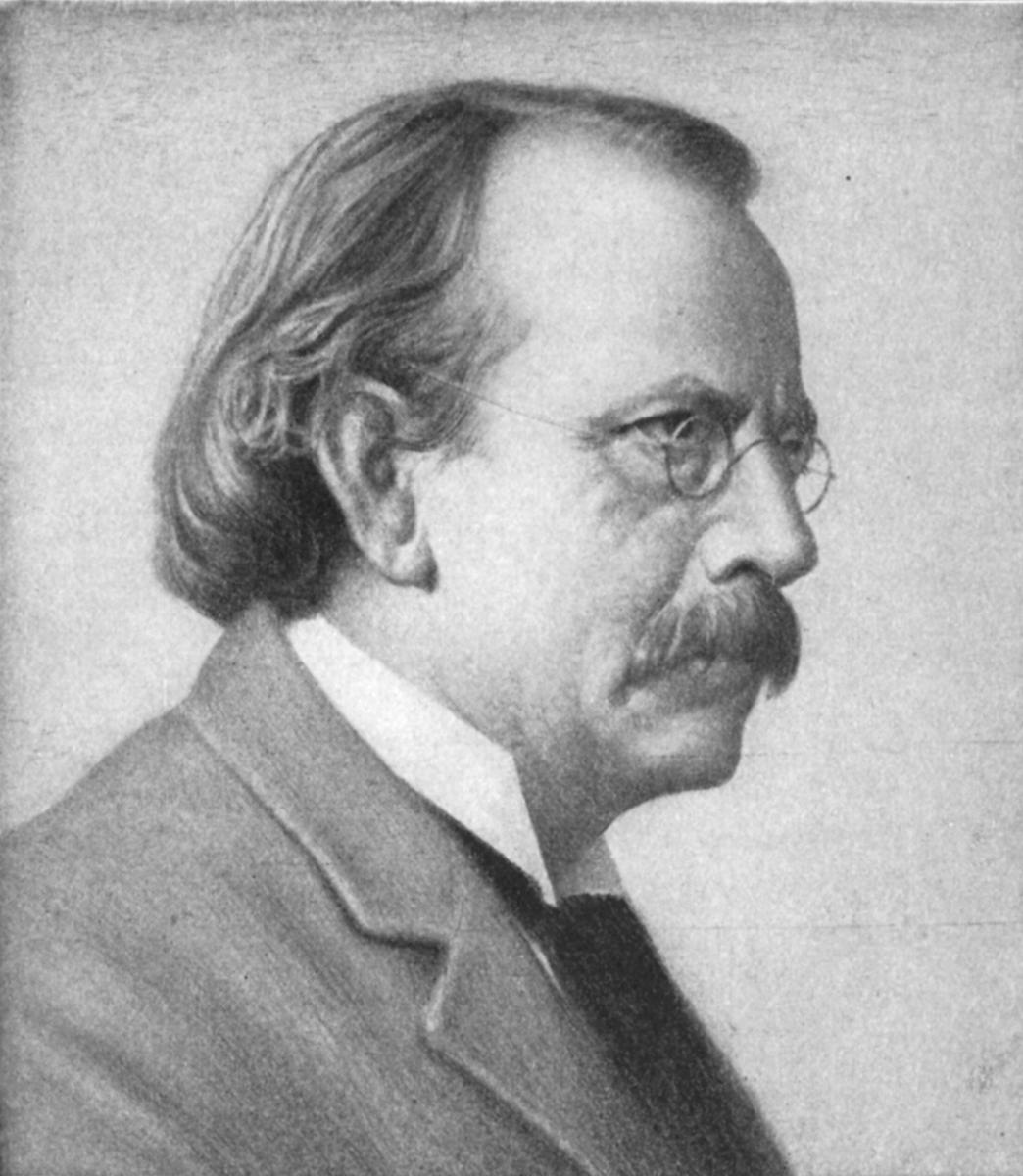
J.J. Thomson's Nobel Prize-Winning Work: Revolutionizing Atomic Physics Through Conduction Studies
Sweden
Science
Technology
4 min read
Updated By: History Editorial Network (HEN)
Published:
J.J. Thomson received the Nobel Prize in Physics for his extensive investigations on the conduction of electricity by gases. His work in this field fundamentally changed the understanding of atomic physics, particularly concerning the nature of electrons and their behavior in gaseous states. Thomson's research played a crucial role in the discovery of the electron, initially observed during his experiments with cathode rays.
The significance of Thomson's work lies in his innovative approach to studying the passage of electricity through gases, which led to groundbreaking conclusions about the particle theory of matter. His experiments provided empirical evidence that electricity is carried by particles smaller than atoms, which he later identified as electrons. This was a monumental step forward, shifting prevailing scientific theories from those based on classical physics to modern atomic theory.
Thomson's contributions extended beyond just theoretical insights. His discoveries spurred the development of new technologies and experimental techniques in the field of electromagnetism and helped set the foundation for future research in quantum mechanics. Furthermore, his work influenced the study of atomic structure, ultimately propelling advancements in both physics and chemistry.
Overall, J.J. Thomson's recognition by the Nobel Prize committee underscores the pivotal role his research played in transforming early 20th-century science. His work on the conduction of electricity by gases not only enhanced understanding of atomic and subatomic particles but also illuminated paths for subsequent scientific inquiry and technological innovation.
#Physics #NobelPrize #ScienceHistory #AtomicPhysics #Electrons #Electromagnetism #QuantumMechanics #MoofLife
Primary Reference
J.J. Thomson – Facts - NobelPrize.org
Explore the Life Moments of
 AI Twin