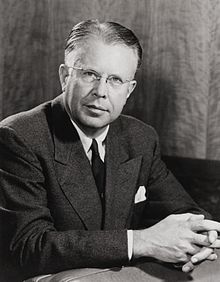
Ernest Lawrence: Pioneer of Cyclotron and Artificial Radioactive Elements
Sweden
Science
Technology
5 min read
Updated By: History Editorial Network (HEN)
Published:
Ernest Lawrence received recognition for his invention of the cyclotron and his contributions to the creation of artificial radioactive elements. The cyclotron, a type of particle accelerator, was a significant advancement in the field of nuclear physics. This machine accelerated charged particles to high energies through a spiral path, enabling nuclear reactions that were previously unattainable. Lawrence's development of the cyclotron facilitated the production of new isotopes and radioisotopes, which had important implications for both scientific research and medical applications.
The impact of Lawrence's work extended beyond the immediate scientific community. The cyclotron allowed for significant progress in understanding nuclear reactions, contributing to the broader field of atomic research. The ability to create artificial radioactive elements opened new avenues for experimentation, influencing subsequent discoveries and technological advancements. The precision and effectiveness of the cyclotron made it an invaluable tool for physicists and researchers worldwide.
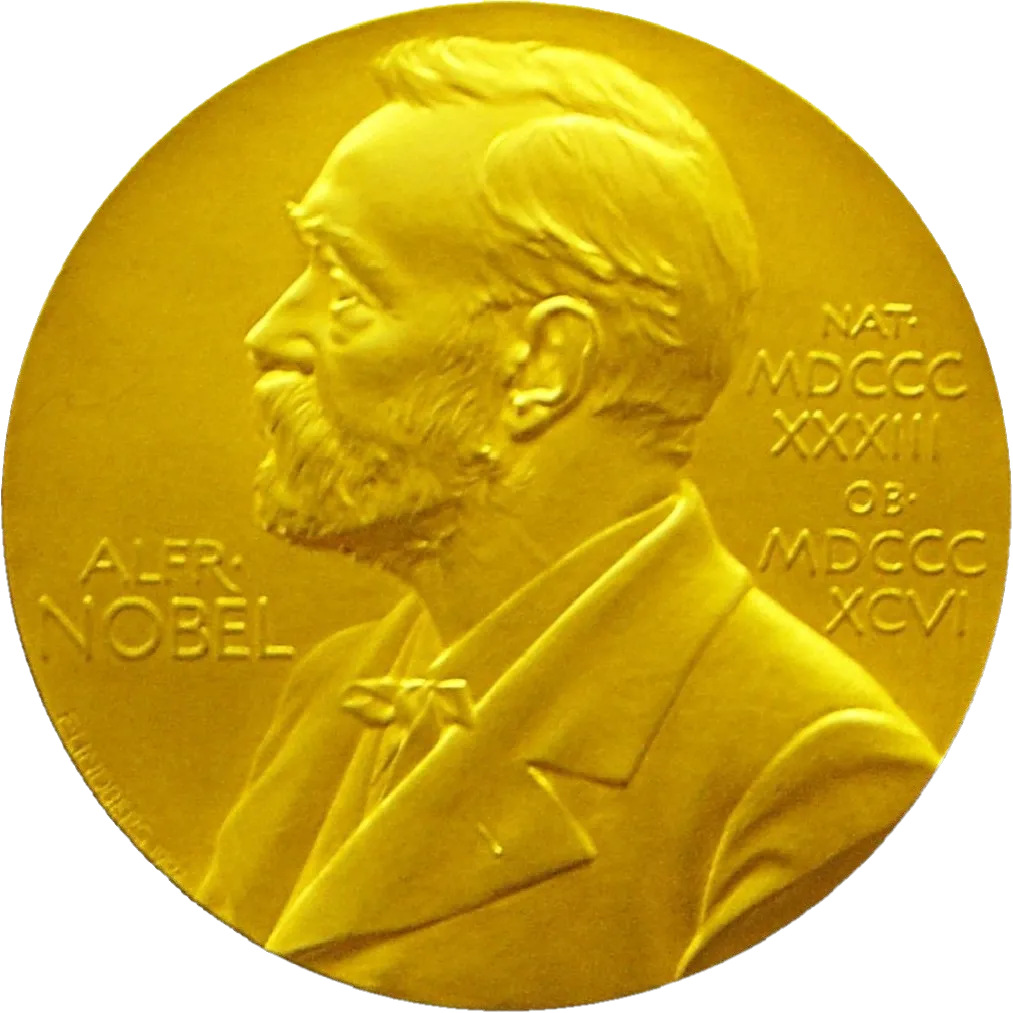
Lawrence's achievements were formally recognized when he was awarded the Nobel Prize in Physics. This accolade underscored the importance of his contributions to the field and highlighted the transformative potential of his inventions. The cyclotron's utility in generating high-energy particles and producing artificial radioactivity had ramifications in various sectors, including medicine, where radioisotopes were used for diagnostics and treatment.
Ernest Lawrence's work exemplified the intersection of theoretical research and practical innovation. The recognition of his contributions underscored the value of foundational research in driving technological progress and expanding scientific knowledge. Lawrence's cyclotron became a cornerstone in modern physics, illustrating the profound impact of technological advancements on scientific inquiry.
#MoofLife #Cyclotron #NobelPrize #Physics #ScientificInnovation #NuclearPhysics
Primary Reference
Nobel Prize in Physics 1939 - Award ceremony speech - NobelPrize ...
Explore the Life Moments of
 AI Twin