Mario Vargas Llosa: Nobel Laureate's Impact on Literature and Power Structures.
Sweden
Literature
Award
4 min read
Updated By: History Editorial Network (HEN)
Published:
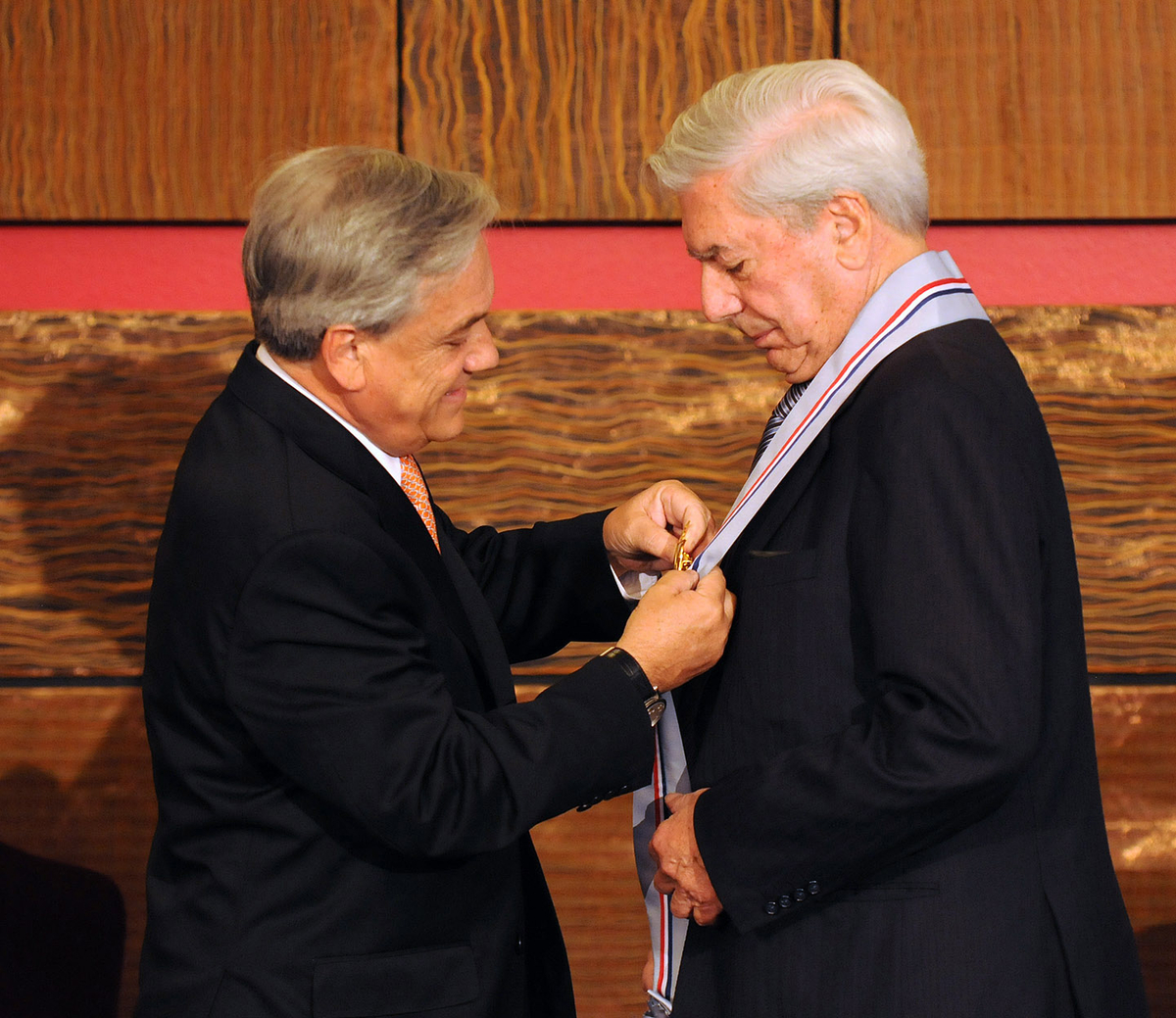
Mario Vargas Llosa, a Peruvian writer known for his profound contributions to literature, was awarded the Nobel Prize in Literature "for his cartography of structures of power and his trenchant images of the individual's resistance, revolt, and defeat." This recognition by the Swedish Academy highlighted his extensive body of work, which includes novels, essays, and plays that often delve into the complexities of social and political structures.
Vargas Llosa's literary career spans several decades and is characterized by themes of power dynamics, human struggle, and societal issues. His notable works, such as "The Time of the Hero," "Conversation in the Cathedral," and "The Feast of the Goat," provide critical insights into the human condition and Latin American history. His narratives are known for their intricate plots and vivid depictions of characters embroiled in political and social turmoil.
The impact of this award on Vargas Llosa's career was significant, cementing his place among the most influential literary figures of the 20th and 21st centuries. It also brought renewed attention to Latin American literature, spotlighting its rich and diverse contributions to global literary traditions. Following the Nobel Prize recognition, Vargas Llosa's works saw increased readership worldwide, and he continued to be an essential voice in contemporary literature.
His recognition also underscored the importance of literature in understanding and analyzing power structures and the individual's responses to oppression and conflict. The themes explored in his work resonate widely, reflecting universal struggles and the fight for justice and freedom.
#MoofLife #NobelPrizeLiterature #MarioVargasLlosa #Literature #PowerDynamics #ResistanceAndRevolt
Explore the Life Moments of
 AI Twin