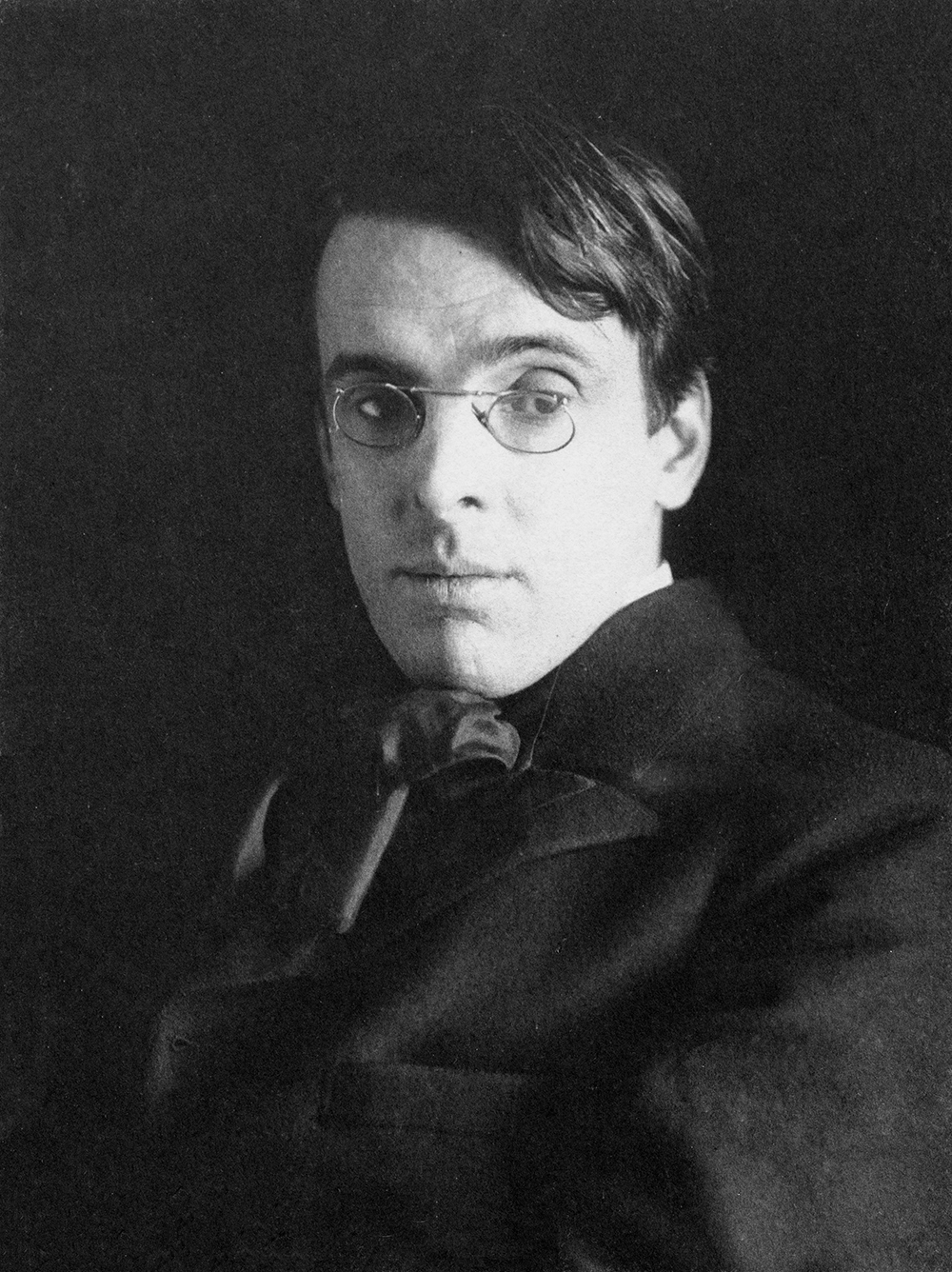
Yeats: A Nobel Laureate Celebrating Irish Spirit Through Poetry
Sweden
Literature
Cultural Heritage
4 min read
Updated By: History Editorial Network (HEN)
Published:
William Butler Yeats, a foremost figure in 20th-century literature, was honored for his exceptional contribution to poetry that embodies the essence of Ireland. His work, characterized by a profound grasp of Irish culture and folklore, earned him international acclaim. This acknowledgment by the Swedish Academy highlighted Yeats' unique artistry in portraying the Irish spirit through his lyrical and symbolic poetry.
Yeats, born in 1865 in Dublin, played a pivotal role in the Irish Literary Revival, a movement aimed at promoting Irish literature and culture. His involvement with the Abbey Theatre, which he co-founded, was instrumental in nurturing Irish dramatic literature. His early poetry was imbued with romanticism and mysticism, reflecting his profound interest in the occult and Irish mythology.
The recognition by the Nobel Committee not only underscored Yeats' artistic achievements but also brought global attention to Irish literature. This accolade was a testament to the richness of Irish cultural and literary heritage. Yeats' notable works during this period include collections like "The Tower" and "The Winding Stair," which delve into themes of personal reflection, historical consciousness, and the passage of time.
The impact of this recognition extended beyond literature, as it fostered a greater appreciation for Ireland's cultural contributions on the world stage. Yeats' award signified a milestone for Irish writers and poets, paving the way for future generations to explore and express their unique voice.
#WilliamButlerYeats #NobelPrize #IrishLiterature #CulturalHeritage #MoofLife
Primary Reference
William Butler Yeats – Facts - NobelPrize.org
Explore the Life Moments of
 AI Twin