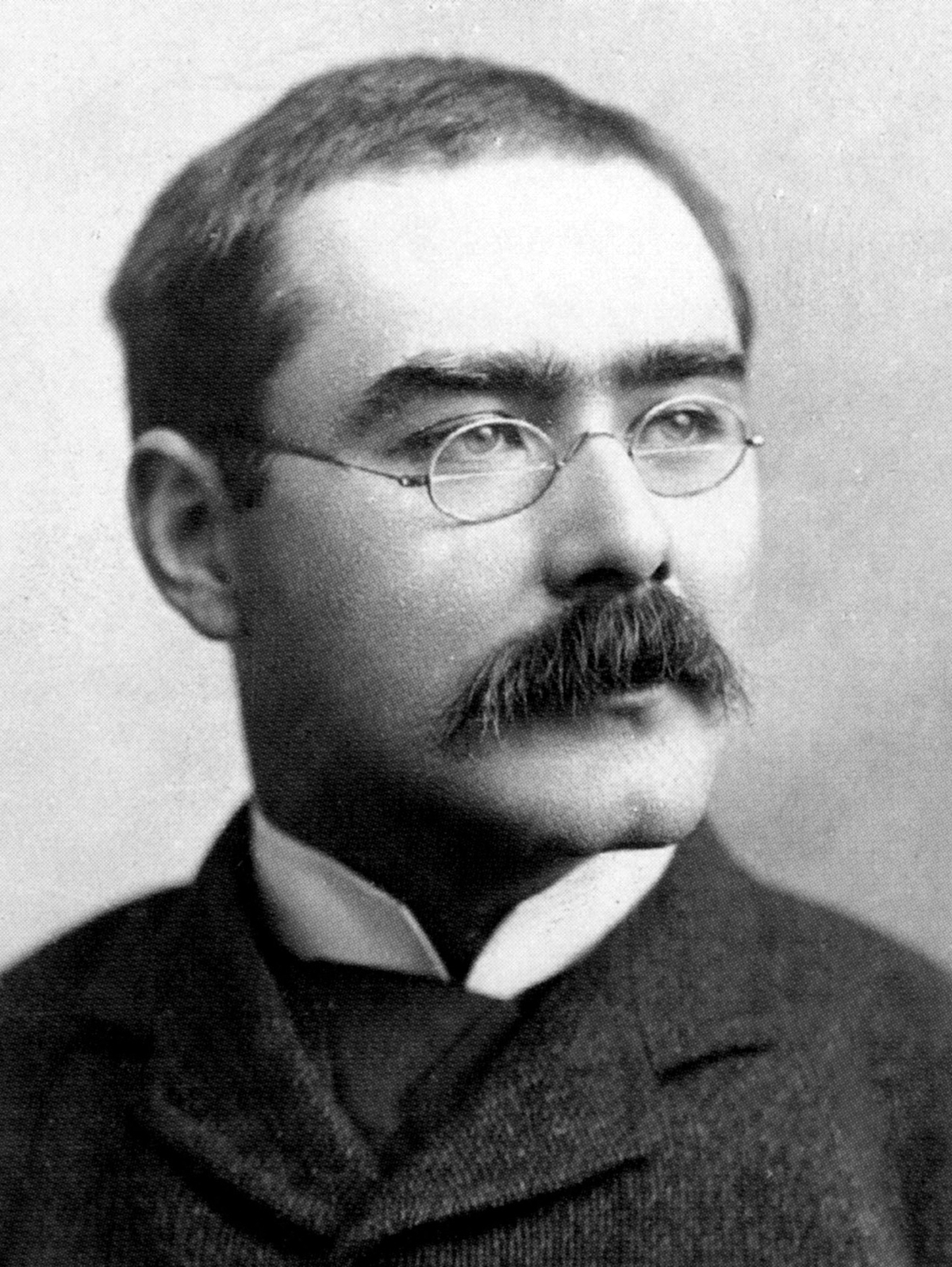
Recognition of Rudyard Kipling's Narrative Excellence with Nobel Prize in Literature
Sweden
Literature
Recognition
4 min read
Updated By: History Editorial Network (HEN)
Published:
Rudyard Kipling was awarded the Nobel Prize in Literature for his exceptional powers of observation, imagination, and narrative talent. Kipling, author of works such as "The Jungle Book" and "Kim," became the first English-language writer to receive the prize. His contribution to literature was recognized for its rich storytelling that vividly captured the complexity of human experience and culture.
Kipling's work was noted for its detailed depiction of British-Indian life and the dynamics of the colonial era. His exceptional ability to weave intricate tales brought his readers into a variety of worlds, highlighting his diverse range of subjects and settings. Not only did his work echo with artistic excellence, but it also brought forward the socio-political nuances of his time.
Arguably, the recognition of Kipling's work underscored the growing appreciation for literary contributions during that period. It marked a significant development in the literary world, emphasizing the value of not just the thematic depth but also the methodological craft of storytelling.
This acknowledgment of Kipling's work provided validation for his narrative style and thematic focus, indicating a broader shift towards recognizing the intricate interplay between observation and imagination in literature. His pioneering contribution helped shape the future direction of narrative fiction, influencing writers who followed.
#NobelPrize #Literature #Kipling #NarrativeTalent #Observation #Imagination #ColonialIndia #Storytelling #LiteraryAchievement #MoofLife
Primary Reference
1907 Nobel Prize in Literature - Wikipedia
Explore the Life Moments of
 AI Twin