Nobel Peace Prize honors Doctors Without Borders' vital humanitarian work around the world.
Sweden
Global Trade
Humanitarianism
4 min read
Updated By: History Editorial Network (HEN)
Published:
Doctors Without Borders, also known as Médecins Sans Frontières (MSF), received the Nobel Peace Prize in recognition of their pioneering humanitarian efforts on several continents. Founded in 1971 by a group of French doctors and journalists, the organization has provided emergency medical care in crises such as armed conflicts, natural disasters, and epidemics.
MSF operates independently of political, economic, or religious influences, ensuring that aid reaches those most in need. The organization is known for its rapid response capabilities and has deployed medical teams to various conflict zones, including Afghanistan, Rwanda, Bosnia, and Sierra Leone. In addition to war-torn areas, MSF has also intervened in regions affected by health crises like the Ebola outbreak in West Africa.
With a global network of over 30,000 medical professionals, logistics experts, and administrative staff, MSF conducts more than 10 million outpatient consultations and performs over 100,000 major surgeries annually. Their work has often highlighted the importance of providing impartial and timely healthcare in emergencies, influencing international humanitarian standards.
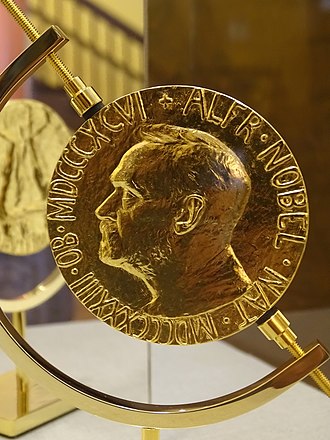
Recognizing MSF's efforts with the Nobel Peace Prize underscores the critical role of medical humanitarianism in alleviating human suffering and promoting global peace. The award also brings attention to the plight of vulnerable populations worldwide and the ongoing need for humanitarian intervention.
Key themes associated with this event can be captured through the hashtags:
#MoofLife #NobelPeacePrize #HumanitarianAid #DoctorsWithoutBorders #GlobalHealth #EmergencyMedicine #HumanRights.
Primary Reference
Our history | Doctors Without Borders - USA
Explore the Life Moments of
 AI Twin