
Mother Teresa: Nobel Prize Winner for Humanitarian Work Amid Criticisms
Sweden
Global Trade
4 min read
Updated By: History Editorial Network (HEN)
Published:
Mother Teresa was awarded the Nobel Peace Prize for her efforts to extend help to suffering humanity. She dedicated her life to assisting the poor, sick, and needy, primarily through her mission, the Missionaries of Charity, established in Calcutta (now Kolkata). Her organization began with just 13 members in the mid-20th century and expanded rapidly, reaching thousands of nuns and operating in over 100 countries by the late 20th century.
Mother Teresa's work involved setting up hospices, soup kitchens, and orphanages aimed at providing basic care to those in dire need. Her work focused on serving the "poorest of the poor," and her methods emphasized simplicity and direct action in delivering aid. Critics sometimes raised concerns about the quality of medical care provided in her facilities, but her dedication to offering solace to the downtrodden remained widely recognized.
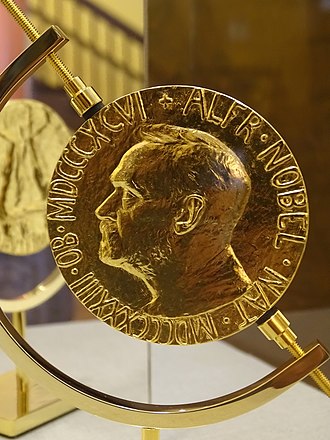
The Nobel committee honored her not just for her tangible humanitarian work but also for bringing attention to global poverty and suffering, inspiring countless others to engage in charitable activities. Her prize money was used to support her mission's ongoing efforts, underscoring her commitment to her cause.
Mother Teresa's receipt of the Nobel Peace Prize highlighted the critical issue of poverty, bringing it to the forefront of international attention and dialogue. Her approach to humanitarian aid, characterized by personal touch and witnessing the plight of the underserved, remained an enduring legacy and continued to influence global humanitarian efforts.
#NobelPeacePrize #HumanitarianAid #MotherTeresa #MissionariesOfCharity #GlobalPoverty #HumanityFirst #MoofLife
Primary Reference
The Nobel Peace Prize 1979 - NobelPrize.org
Explore the Life Moments of
 AI Twin