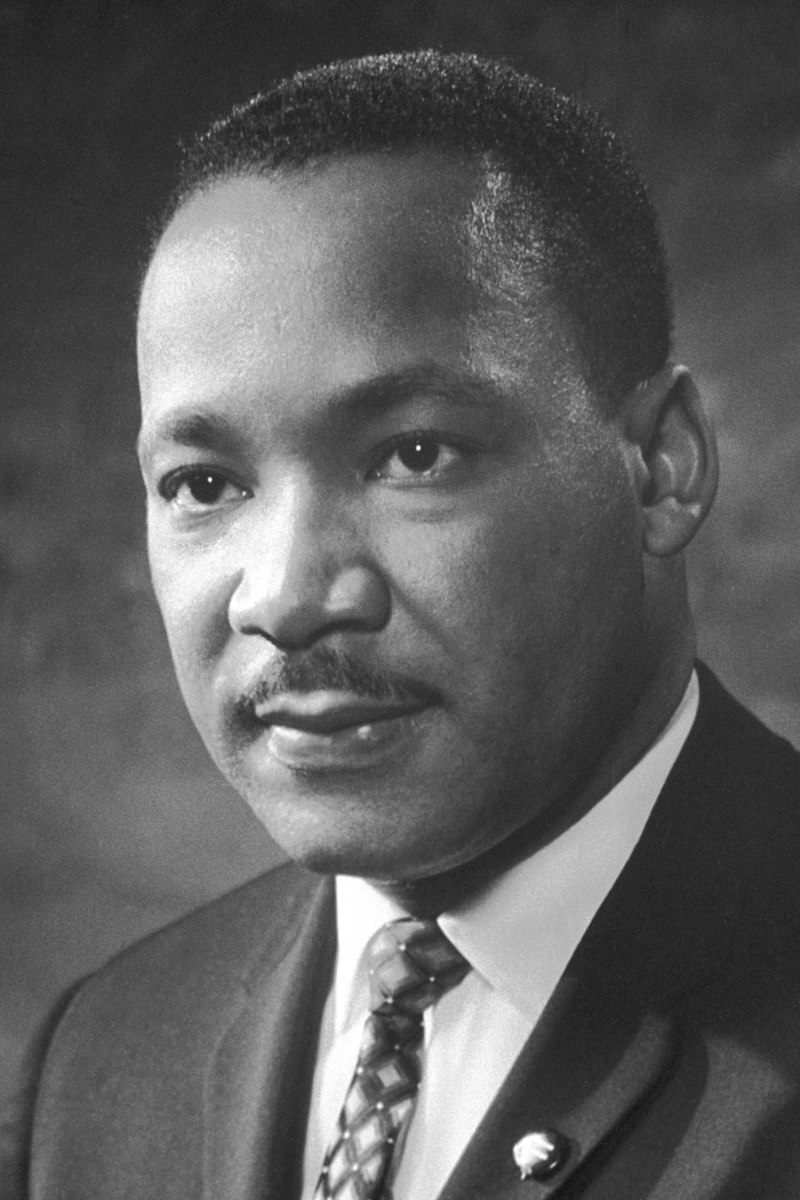
Martin Luther King Jr. Awarded Nobel Peace Prize for Civil Rights Advocacy in U.S.
Sweden
Political
Civil Rights
5 min read
Updated By: History Editorial Network (HEN)
Published:
Martin Luther King Jr. was awarded the Nobel Peace Prize for leading a non-violent struggle for civil rights for the Afro-American population in the United States. This recognition came during a period of intense racial segregation and discrimination in the country. King's leadership in the Civil Rights Movement focused on methods of non-violence inspired by Mahatma Gandhi, aiming to achieve social change through peaceful protests, marches, and civil disobedience.
At the time of receiving the Nobel Peace Prize, Martin Luther King Jr. was the youngest person to have ever received the award. His advocacy played a crucial role in several landmark events within the Civil Rights Movement, such as the Montgomery Bus Boycott, which lasted for over a year and resulted in the desegregation of buses in Montgomery, Alabama. The March on Washington for Jobs and Freedom, where he delivered his iconic "I Have a Dream" speech, was pivotal in galvanizing public support for civil rights legislation.
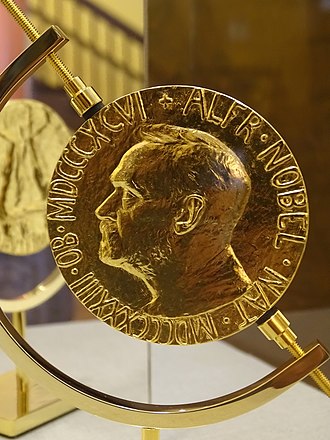
This prestigious accolade brought worldwide attention to the racial inequalities and injustices present in the United States. King’s acceptance brought further legitimacy to the Civil Rights Movement, drawing international support and strengthening the resolve of activists campaigning against racial discrimination. The awarding of the Peace Prize underscored a broader global acknowledgment of non-violent resistance as a powerful tool for social and political change.
Statistics from that time indicate that King's efforts, alongside those of many other civil rights leaders and activists, were instrumental in the passage of significant legislation. The Civil Rights Act, which aimed to end segregation in public places and banned employment discrimination, and the Voting Rights Act, which sought to eliminate barriers to voting for African Americans, were both passed within a few years following this international recognition.
King’s legacy continues to be celebrated, highlighting the enduring relevance of non-violent movements for social justice worldwide. Such a recognition reinforced the potential of peaceful protest to achieve profound societal changes.
#CivilRights #NonViolence #NobelPeacePrize #HumanRights #Justice #MLK #MoofLife
Primary Reference
Martin Luther King Jr. – Acceptance Speech - NobelPrize.org
Explore the Life Moments of
 AI Twin