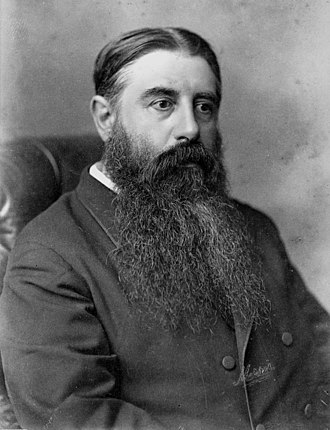
Julius Vogel's Impact: Public Works and Immigration Initiatives Begin with Railway Construction.
New Zealand
Political
Economic Downturn
4 min read
Updated By: History Editorial Network (HEN)
Published:
Updated:
Julius Vogel, a prominent figure in New Zealand's history, initiated a major public works and immigration policy. This policy aimed to boost the country's economy and population growth through infrastructure development and increased immigration. One of the key projects under this policy was the national railway construction programme, which involved building railway lines across the country to improve transportation and connectivity.
The public works and immigration policy led to a significant increase in government spending on various infrastructure projects, such as roads, bridges, and public buildings. This influx of investment provided a much-needed stimulus to the economy and created jobs for the growing population. Additionally, the policy encouraged immigrants to settle in New Zealand by offering them opportunities for employment and a better quality of life.
The national railway construction programme was a major component of Vogel's vision for a more connected and prosperous New Zealand. The construction of new railway lines not only facilitated the movement of goods and people but also opened up previously inaccessible areas for development. The railway network played a crucial role in the country's economic growth and helped to link towns and cities together.
Overall, Julius Vogel's public works and immigration policy, along with the national railway construction programme, had a lasting impact on New Zealand's development. These initiatives laid the foundation for a more modern and interconnected society, setting the stage for future growth and progress in the country.
#JuliusVogel #NewZealandHistory #RailwayConstruction #InfrastructureDevelopment #EconomicGrowth

Explore the Life Moments of
 AI Twin