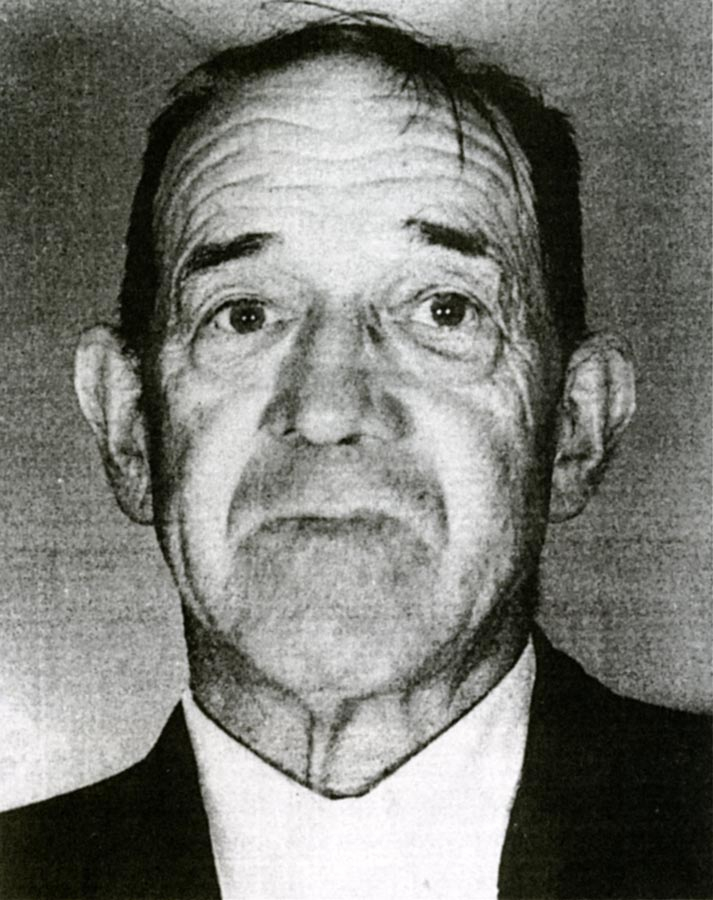
Final Hanging: Walter James Bolton
New Zealand
Political
LegalReform
3 min read
Updated By: History Editorial Network (HEN)
Published:
Updated:
In February 17, 1957, Walter James Bolton faced the gallows, marking the final hanging in New Zealand's history. Bolton was convicted of the brutal murder of a young girl, a crime that shook the nation. The case garnered significant attention and sparked debates about the death penalty.
Leading up to the event, there was a mix of emotions among the public. Some believed in the efficacy of capital punishment as a deterrent for heinous crimes, while others questioned its ethics and called for its abolition. Bolton's execution drew large crowds outside the prison, with many expressing their views on the controversial practice.
Following Bolton's hanging, there was a shift in the country's stance on the death penalty. The event played a pivotal role in the movement to abolish capital punishment in New Zealand. Politicians and activists rallied for change, citing concerns about the potential for wrongful convictions and the overall morality of taking a life as punishment.
In the years that followed, laws were amended, eventually leading to the abolition of the death penalty in New Zealand. The case of Walter James Bolton became a turning point in the country's legal system, shaping future discussions on justice and punishment.
#NewZealandHistory #CapitalPunishment #LegalReform
Primary Reference
The last execution
Explore the Life Moments of
 AI Twin