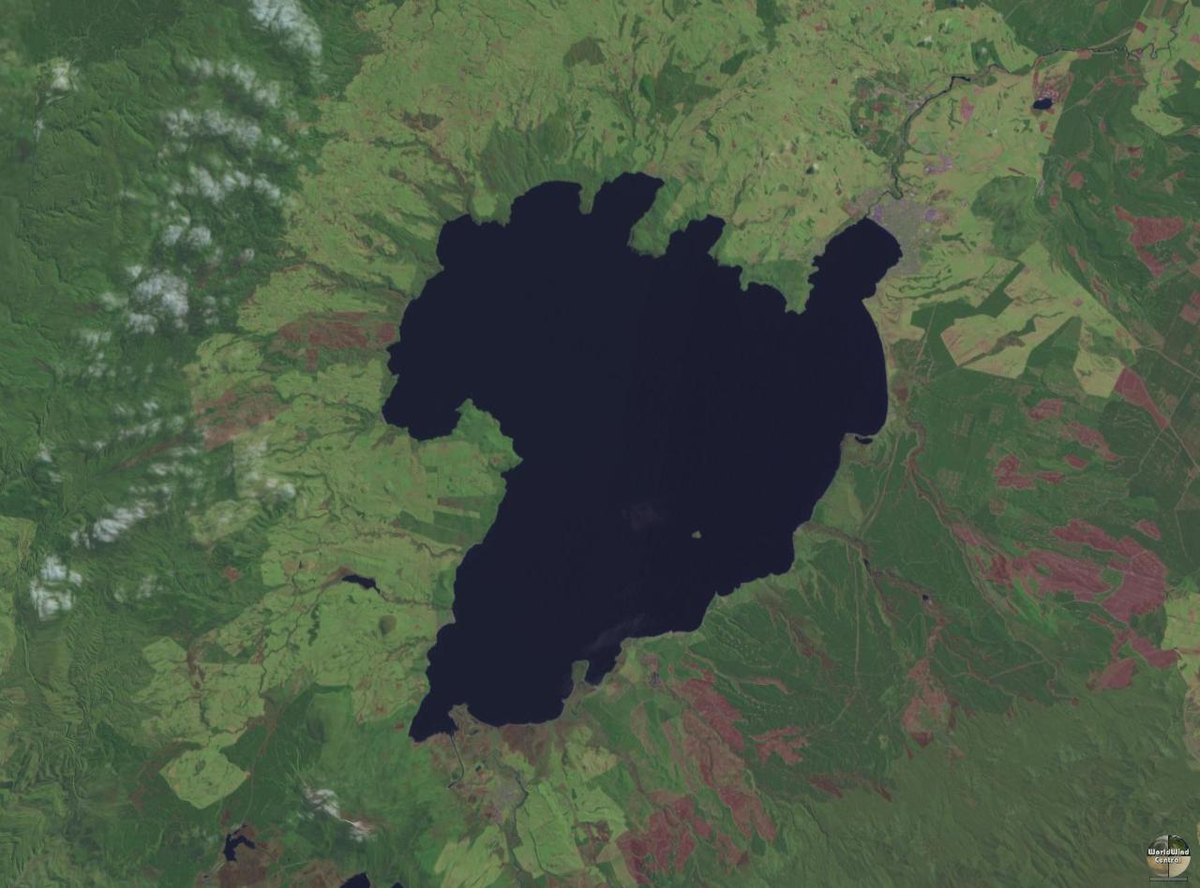
The Hathepe Eruption on Lake Taupō
New Zealand
Environmental Impact
3 min read
Updated By: History Editorial Network (HEN)
Published:
In AD 181, the Hatepe eruption of Lake Taupō, in New Zealand, was a catastrophic event that had significant ramifications. The eruption took place at Lake Taupō, the caldera of a supervolcano, resulting in one of the most powerful volcanic explosions in the last 5,000 years globally.
The eruption had a profound impact on the surrounding area, with volcanic ash and debris being expelled high into the atmosphere and covering the land. The explosion was heard hundreds of kilometers away, and the ash fallout was so extensive that it even reached as far as China. The landscape was forever changed, with a vast crater and ash layers left behind.
The local Māori population, who witnessed the eruption, considered it a major spiritual event, leading to the formation of various myths and legends surrounding the event. The eruption also had a significant impact on the global climate, leading to several years of lower temperatures due to the ash and gases ejected into the atmosphere.
The aftermath of the Hatepe eruption of Lake Taupō serves as a reminder of the powerful forces of nature and the importance of understanding and respecting the environment. It also highlights the resilience of the communities that have lived through such catastrophic events and have adapted to the changing landscapes over time.
#HatepeEruption #LakeTaupō #VolcanicDisaster #NewZealandHistory #EnvironmentalImpact
Primary Reference
Taupō Volcano - Wikipedia

Explore the Life Moments of
 AI Twin