The Moa's Probable Extinction
New Zealand
Environmental
Conservation
3 min read
Updated By: History Editorial Network (HEN)
Published:
Updated:
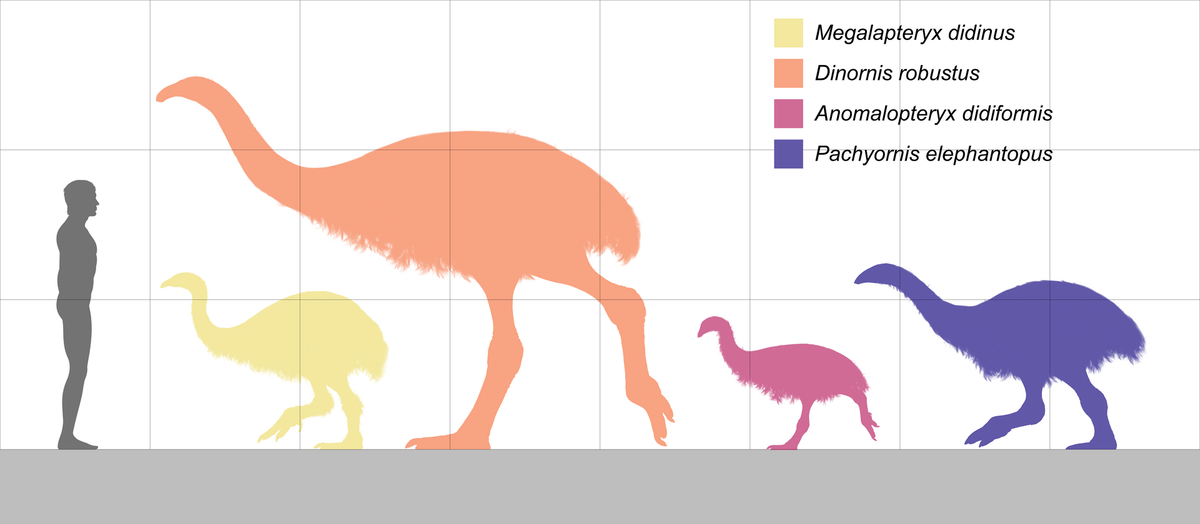
In the early 1400s, the Moa, a group of large, flightless birds native to New Zealand, faced a dire threat to their existence. The arrival of the Polynesians, who hunted the Moa for food and resources, resulted in a rapid decline in the Moa population. With their large size and inability to fly, the Moa were particularly vulnerable to human hunting.
The impact of the Moa's likely extinction was significant not only for the birds themselves but also for the ecosystem in which they played a crucial role. As herbivores, Moa helped to shape the vegetation and landscapes of New Zealand. Their disappearance led to changes in the ecosystem dynamics, affecting other plant and animal species.
Despite efforts to protect the Moa, such as introducing hunting restrictions, the damage had already been done. The combination of human hunting and habitat destruction pushed the Moa population past the brink of survival. The last of the Moa were unable to recover from the pressures they faced, leading to their eventual extinction. This event marked the end of an era for these unique and iconic birds in New Zealand's history.
Today, the story of the Moa serves as a reminder of the delicate balance between human activity and the natural world. It highlights the importance of conservation efforts and sustainable practices to prevent the loss of species and preserve biodiversity for future generations.
#MoaExtinction #NewZealandEcosystem #ConservationEfforts

Explore the Life Moments of
 AI Twin