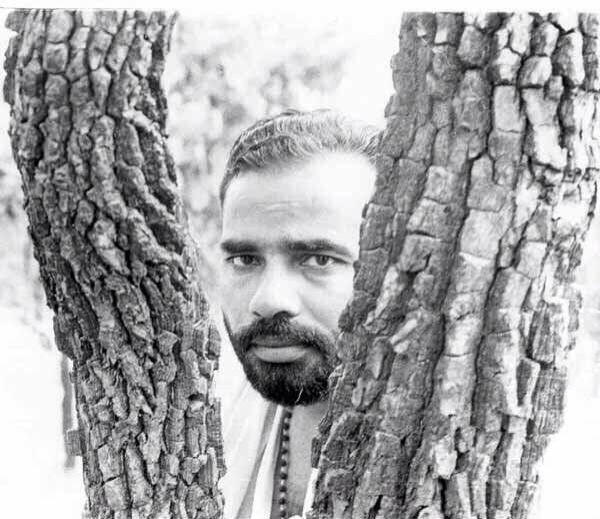
Joined the Rashtriya Swayamsevak Sangh (RSS)
India

Political
Leadership
4 min read
Updated By: History Editorial Network (HEN)
Published:
In 1970, Narendra Modi took a significant step in his political journey by joining the Rashtriya Swayamsevak Sangh (RSS), a nationalist organization in India. Growing up in a modest family in Gujarat, Modi was deeply influenced by the principles of the RSS, which emphasized selfless service to the nation and cultural pride.
Joining the RSS marked a turning point for Modi, as he immersed himself in its teachings and activities, including training in physical fitness, discipline, and ideology. The organization provided him with a platform to hone his leadership skills and channel his passion for social change. Through his involvement with the RSS, Modi also developed a strong network of like-minded individuals who would later support him in his political career.
The impact of Modi's association with the RSS was profound. It shaped his worldview, instilling in him a sense of duty towards his country and its people. The values of integrity, discipline, and national pride that he imbibed during his time in the organization continue to be evident in his governance style as a political leader.
Modi's tenure with the RSS laid the foundation for his political ascent, paving the way for his entry into the Bharatiya Janata Party (BJP) and eventually, his rise to becoming the Prime Minister of India. His roots in the RSS have remained a significant aspect of his identity, garnering both admiration and criticism from different quarters of society.
In conclusion, Narendra Modi's decision to join the RSS in 1970 was a pivotal moment that shaped his political career and leadership style. The values and principles he imbibed during his time with the organization have had a lasting impact on his approach to governance and public service. #RSS #NarendraModi #Nationalism
Primary Reference
Narendra Modi | Biography & Facts | Britannica
Explore the Life Moments of
 AI Twin