Implementation of Goods and Services Tax (GST) in India
India

Business
Economic Growth
5 min read
Updated By: History Editorial Network (HEN)
Published:
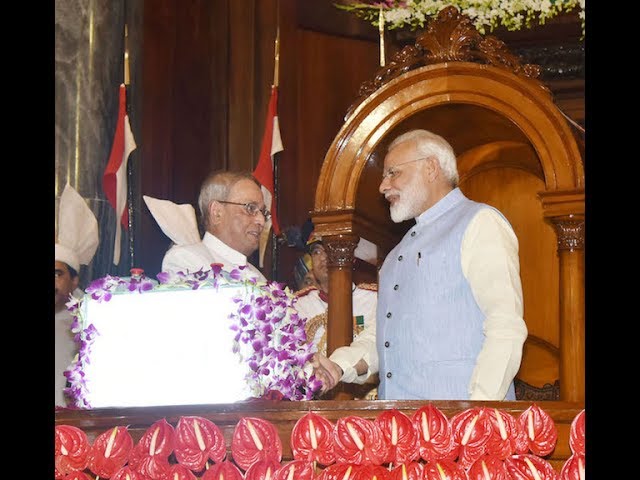
The implementation of the Goods and Services Tax (GST) marked a pivotal transformation in India's taxation framework. Spearheaded by Prime Minister Narendra Modi, this reform aimed to unify the multitude of indirect taxes previously levied by the central and state governments into a single comprehensive tax system.
Prior to this change, India's indirect tax structure was highly fragmented. It included multiple taxes like VAT, excise duty, service tax, and various state-level taxes, creating complexity and compliance burdens for businesses. The GST sought to consolidate these into a streamlined system, thereby simplifying tax administration and fostering a more integrated national market.
The introduction of GST was the culmination of extensive negotiations between the central and state governments. The GST Council, comprising representatives from both, played a critical role in deciding the tax rates, exemptions, and other related policies. It aimed to create a cooperative federal structure for the country's taxation system.
From a fiscal perspective, GST was designed to improve efficiency and increase revenue by broadening the tax base and reducing the scope for tax evasion. According to government data, the adoption of GST led to a significant increase in the taxpayer base, indicating enhanced compliance. The transparency of the system also ensured that the benefits of reduced tax leakages could be harnessed effectively.
Economically, the GST promised to decrease the cost of doing business by eliminating the cascading effect of multiple taxes. This, in turn, was expected to lead to lower prices for consumers and boost the competitiveness of Indian goods in the international market. Reports suggested that the GST system contributed to an average increase in GDP growth, underscoring its role in fostering economic development.
Operationally, the IT infrastructure supporting GST, managed by the Goods and Services Tax Network (GSTN), facilitated real-time tax filing and monitoring, further easing the compliance process for businesses.
Despite initial teething issues such as technical glitches and compliance challenges, the long-term benefits of GST were recognized across various sectors. Its introduction marked a crucial step towards a transparent, efficient, and unified tax regime in India.
#TaxReform #EconomicGrowth #UnifiedTaxSystem #GST #NarendraModi #MoofLife
Primary Reference
How PM Modi transformed India's economy – DW – 08/28/2018
Explore the Life Moments of
 AI Twin