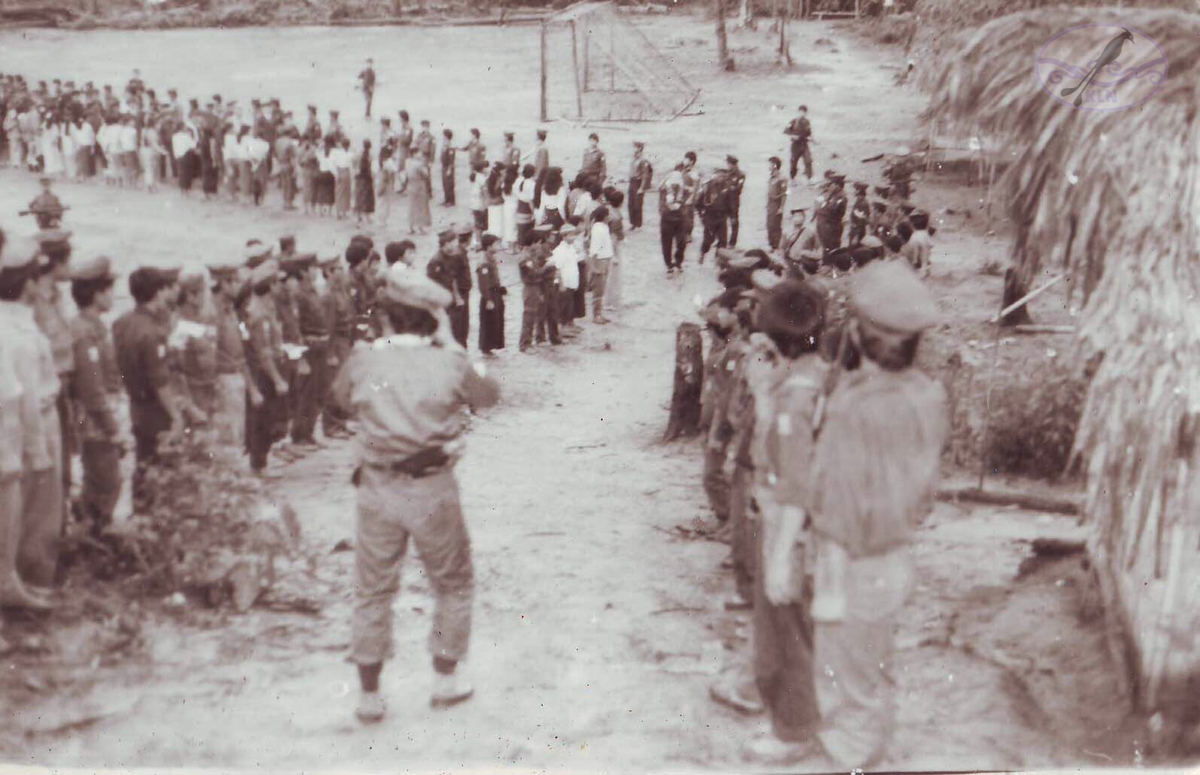
The Kachin insurgency, initiated by the Kachin Independence Organisation (KIO)
Myanmar
Politics
Conflict
4 min read
Updated By: History Editorial Network (HEN)
Published:
Updated:
The Kachin insurgency, initiated by the Kachin Independence Organisation (KIO), emerged in response to political and cultural tensions in Myanmar. The conflict began in 1961, primarily triggered by U Nu's declaration of Buddhism as the state religion, which marginalized the Kachin people's Christian beliefs and cultural identity. This declaration was perceived as an exclusionary move, leading to increased discontent among the Kachin community. The insurgency aimed to secure greater autonomy and rights for the Kachin people, reflecting broader ethnic grievances in a country marked by diverse ethnic groups and historical marginalization. The KIO's actions were part of a larger pattern of ethnic resistance against the central government, which had been consolidating power since the military coup in 1962.
The impact of the Kachin insurgency has been profound, contributing to ongoing instability in the region. The conflict has led to significant humanitarian crises, with thousands of Kachin people displaced from their homes due to military operations and violence. The insurgency has also influenced the political landscape in Myanmar, prompting discussions about federalism and ethnic rights. Additionally, the Kachin conflict has drawn international attention, highlighting the need for a comprehensive peace process that addresses the underlying issues of ethnic identity, governance, and resource distribution. The Kachin insurgency remains a critical aspect of Myanmar's complex socio-political fabric, illustrating the challenges of nation-building in a multi-ethnic society.
#mooflife
#MomentOfLife
#KachinInsurgency
#KachinIndependenceOrganisation
#MyanmarConflict
#EthnicRights
#HumanitarianCrisis

Explore the Life Moments of
 AI Twin