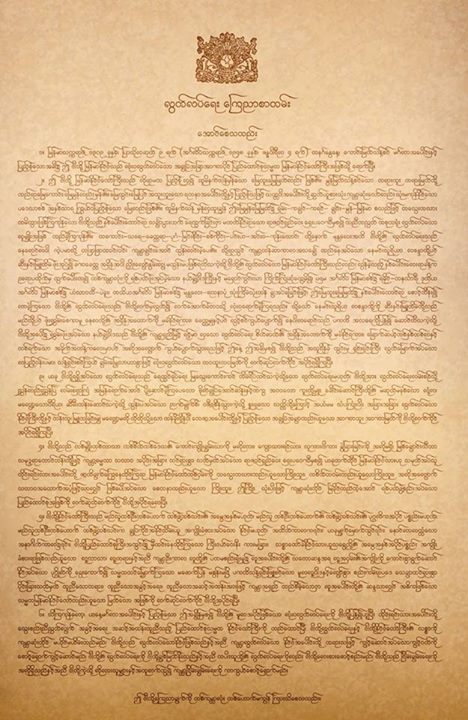
Burma's Independence Established Under 1947 Act
Myanmar
Politics
Independence
3 min read
Updated By: History Editorial Network (HEN)
Published:
Updated:
Burmese independence was established under the Burma Independence Act, which was a pivotal legislative measure that facilitated the country's transition from British colonial rule to self-governance. The movement for independence was fueled by a strong popular sentiment among the Burmese people, who were eager to sever ties with British colonial authority. This desire for autonomy was reflected in the political landscape, where various leaders and groups advocated for independence, culminating in the formation of a new cabinet led by Thakin Nu, a prominent Socialist figure. The act not only marked the end of colonial rule but also signified a broader shift in the region's political dynamics, as many nations sought to assert their sovereignty during this period of decolonization.
The impact of the Burma Independence Act was profound, as it allowed Burma to establish itself as a sovereign nation. The decision to not join the Commonwealth of Nations further underscored the country's commitment to independence and self-determination. This choice was indicative of the prevailing nationalist sentiments and the desire to forge a unique identity separate from colonial influences. The act laid the groundwork for subsequent political developments in Burma, influencing its governance, international relations, and internal policies in the years that followed. The legacy of this independence movement continues to shape the nation's political landscape today.
#mooflife
#MomentOfLife
#BurmaIndependence
#BurmaIndependenceAct
#ThakinNu
#BritishColonialRule
#SovereigntyOfBurma

Explore the Life Moments of
 AI Twin