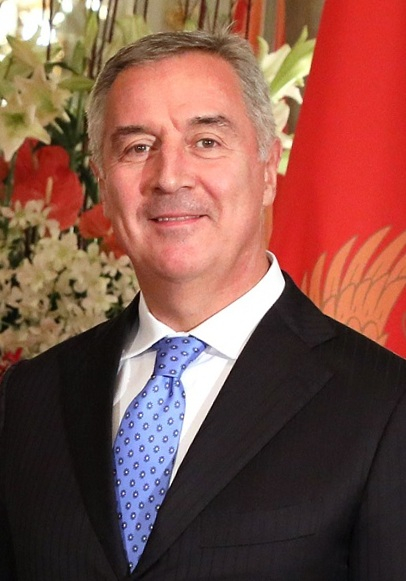
Milo Đukanović's Victory Solidifies Pro-Western Direction in Montenegro's Presidential Election
Montenegro
Political
Global Trade
5 min read
Updated By: History Editorial Network (HEN)
Published:
Updated:
Milo Đukanović secured a victory in Montenegro's presidential election, further solidifying his extensive influence in the country's political scene. Đukanović, a veteran politician whose career spans several decades, has been a central figure in Montenegro's political sphere, holding various positions, including Prime Minister and President.
Đukanović's campaign emphasized stability, economic growth, and closer ties with Western institutions, contrasting with his opponent's focus on stronger relations with Serbia and Russia. His victory was seen as an affirmation of Montenegro's pro-Western trajectory, particularly in the context of its recent NATO membership. This win highlighted the electorate's preference for continuity and a steady hand in governance amid regional uncertainties.
As a result of this election, Đukanović's Democratic Party of Socialists (DPS) maintained its dominance, a trend that has been consistent since the breakup of Yugoslavia. He has been instrumental in navigating Montenegro through its independence from the State Union with Serbia and its Euro-Atlantic integration process. However, his political longevity has sparked debates about democratic processes and the concentration of power.
In terms of impact, Đukanović's victory reaffirmed Montenegro's strategic direction towards European Union accession, reinforcing its geopolitical positioning. Domestically, his administration pledged to address economic reforms, combat corruption, and continue infrastructural developments. The opposition, however, raised concerns about electoral fairness and media freedoms, issues that have repeatedly surfaced in Montenegrin politics.
Key statistics from the election illustrated Đukanović's significant lead over his rivals, securing around 54% of the votes in a field of seven candidates, which allowed him to avoid a runoff. Voter turnout was above 60%, indicating a robust public engagement.
The consequences of this election play into broader regional dynamics, particularly in the Balkans where political stability and alliances are critical. Đukanović's continued leadership is viewed as both a stabilizing factor and a point of contention, reflecting the complex interplay of legacy, governance, and future aspirations in Montenegro.
#MontenegroPolitics #ElectionVictory #MiloĐukanović #PoliticalStability #ProWesternTrajectory #MontenegroEU #MoofLife

Explore the Life Moments of
 AI Twin