Montenegro's Transition to Oblast of Cetinje: Political Shift in Balkans Post-World War I
Montenegro
Political
Balkan
3 min read
Updated By: History Editorial Network (HEN)
Published:
Updated:
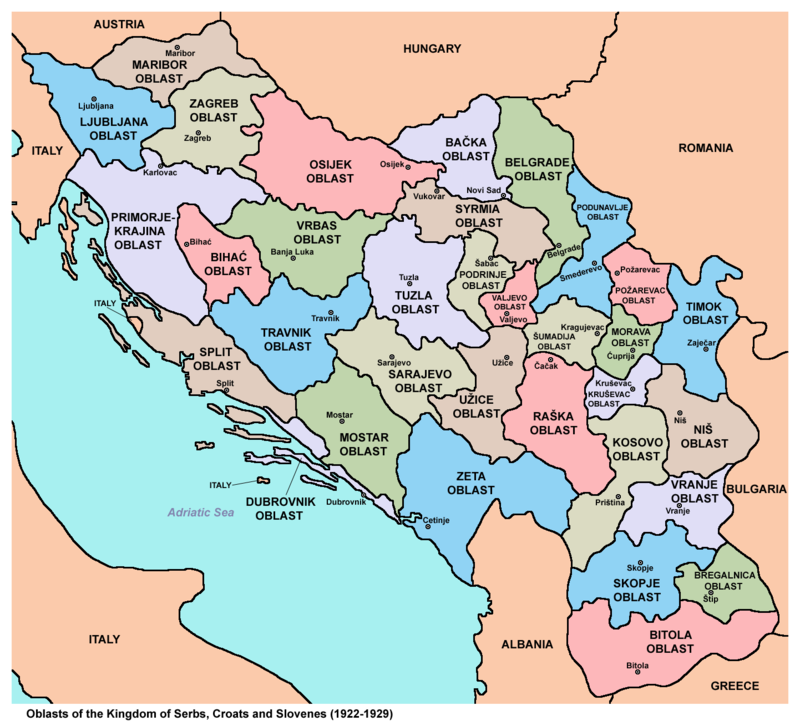
Montenegro's transition to the Oblast of Cetinje within the Kingdom of Serbs, Croats, and Slovenes marked a pivotal shift in its political landscape. This change followed post-World War I realignments and the disintegration of former empires, impacting territories within the Balkan Peninsula. Montenegro, a small nation with deep historical roots in the region, was incorporated into the larger structure of the newly formed kingdom. The annexation was part of a broader effort to unify South Slavic peoples under a single political entity.
Cetinje, formerly the royal capital of Montenegro, became the administrative center of this new oblast, reflecting its historical significance. The establishment of the Kingdom of Serbs, Croats, and Slovenes aimed at fostering stability and cohesion among diverse ethnic groups, although it also encountered resistance and complex internal dynamics.
The impact of this reorganization was multifaceted. On one hand, it integrated Montenegro into a broader state framework, potentially providing economic and political opportunities. On the other hand, it also raised concerns about national identity and autonomy among Montenegrins. The change influenced various aspects of life, from governance to cultural expressions, as Montenegro navigated its new role within the kingdom.
#Montenegro #Cetinje #BalkanHistory #PoliticalChange #MoofLife

Explore the Life Moments of
 AI Twin